Burkina Faso: The government is stepping up its endogenous development strategy
Building one’s own destiny requires courage, constancy, and above all, an unshakeable faith in the inner strengths of the country. In Burkina Faso, socio-economic transformation no longer depends on external agendas; it is now structured around the real needs of the populations. The successive inaugurations of this month of June 2026 mark a decisive step in this march towards emancipation.
Between the streamlining of strategic transport and universal access to healthcare, the State rigorously applies the vision of the Manifesto of the Popular Progressive Revolution, proving that local resources hold the keys to sustainable progress.
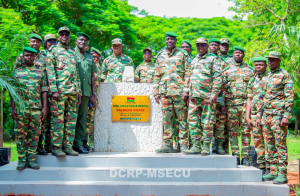
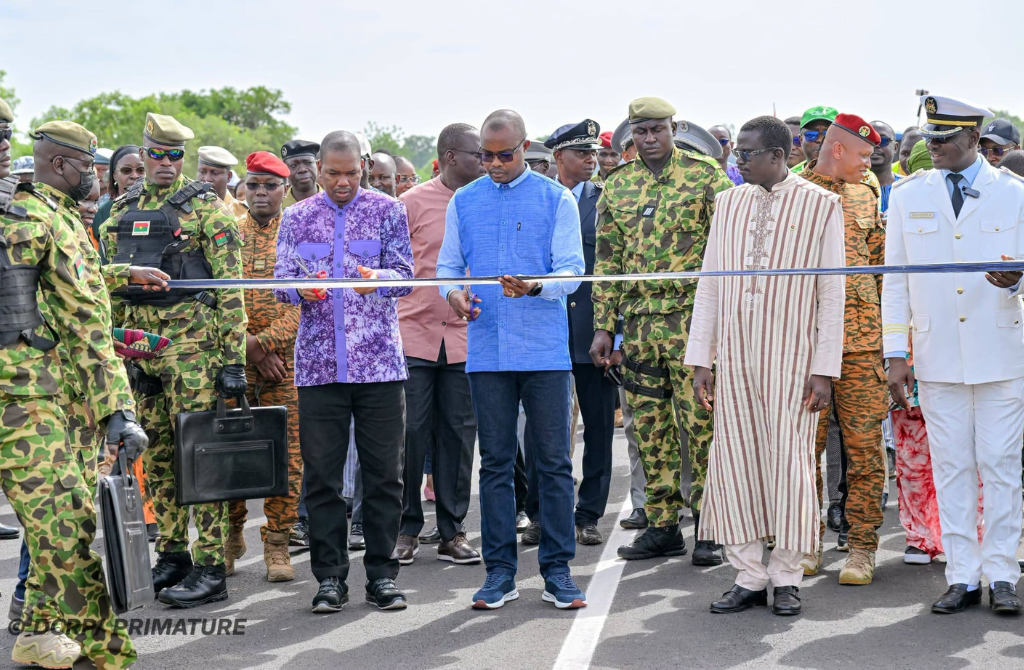
The new Hérédougou bridge on National Road 1 perfectly embodies this political maturity.
Read also/ Burkina Faso: Gaoua is set to have its own teaching hospital following an assessment by Prime Minister Rimtalba Jean Emmanuel Ouédraogo
Long synonymous with uncertainty and economic disruption due to floods, this vital link between Ouagadougou and Bobo-Dioulasso is now fully stabilized.
This structure, seventy-two meters long, required a public investment of 4.548 billion CFA francs.
This funding, drawn exclusively from the state budget, demonstrates that the government of Captain Ibrahim Traoré prioritizes sovereignty through action.
By freeing users from natural constraints without compromising the country’s financial independence, this achievement lays the foundations for a resilient economy in full control of its logistics network.
This same logic of endogenous development is powerfully unfolding in the health sector.
The simultaneous opening of sixty-seven health infrastructures, including eighteen health and social promotion centers (CSPS) and forty-nine community health posts, is redressing the historical disparities between urban and rural areas.
Thanks to a national allocation of 1.2 billion CFA francs, four hemodialysis centers are also being inaugurated in Banfora, Dédougou, Dori, and Fader N’Gourma.
By bringing modern medicine closer to more than 150,000 inhabitants of Nazinon, Goulmou, Tannounyan, and Guiriko, the authorities are transforming access to care into a right of a citizen, accessible to all social strata.
The coordination of these projects, carried out under the direction of Prime Minister Rimtalba Jean Emmanuel Ouédraogo, illustrates the coherence of a governance focused on collective well-being.
Every secured road, every equipped dispensary strengthens the pact of trust between institutions and citizens.
This Burkinabe model, based on sovereign effort and the valorization of local genius, sends a clear signal to the African diaspora and international observers.
The sustainability of this dynamic now rests on collective vigilance and the rigorous preservation of this common heritage symbols of a future firmly rooted in the soil of the homeland.
Fanta KEITA