Burkina Faso: “Produce and consume Burkinabe products” – Captain Ibrahim Traoré’s vision of self-sufficiency
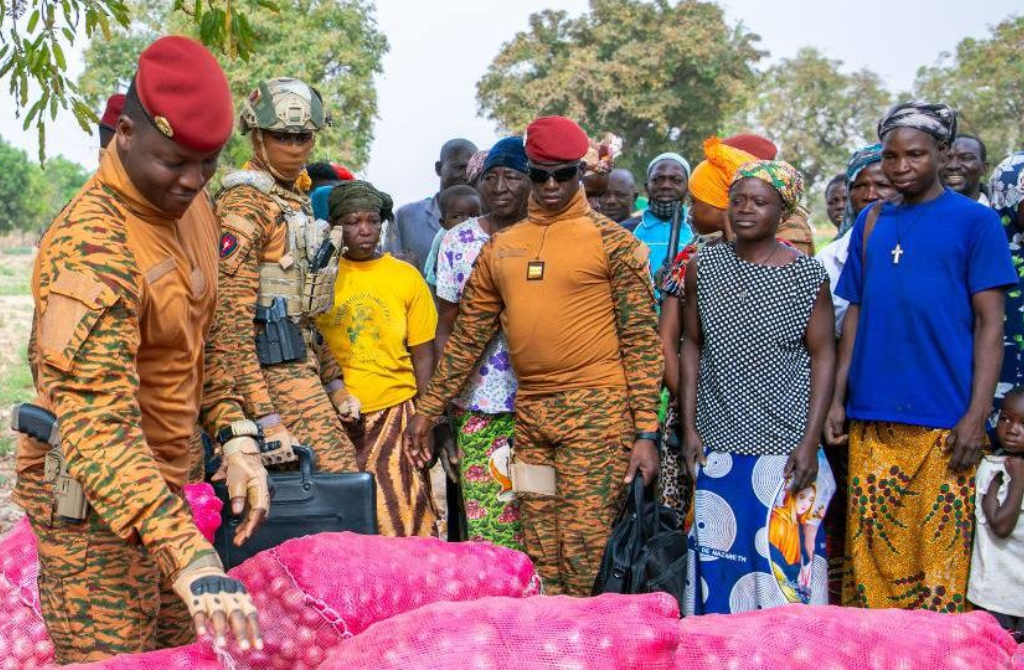
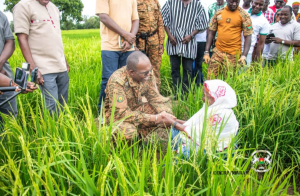
On the plains of Sourou and in the Bagré valley, the roar of tractors is replacing the silence of fallow land. This transformation is no accident; it is the execution of a rigorous doctrine. Long subject to the vagaries of global markets and the conditional flows of international aid, Burkina Faso is making a major strategic shift: the pursuit of food self‑sufficiency.
By placing self‑sufficiency at the top of the priorities of the State, Captain Ibrahim Traoré has made a sovereign decision, sweeping aside the reservations of conventional analysts and the pressures of external financial circles.
It is a choice guided by the single conviction that a nation’s dignity begins with control over its own plate.
The Agropastoral Offensive now stands as the pivot of this refoundation. The approach breaks radically with the adjustment policies of the past.
Grassroots forces are mobilising around large‑scale community projects, turning previously neglected spaces into intensive production hubs.
This reappropriation of the national soil is not only about supplying markets; it redefines the nation’s relationship to its own resources.
The independence of the granary becomes a tangible reality, measurable in the modernisation of tools and the green of crops stretching beyond sight.
Beyond the harvest, the entire value chain is being reorganised around a patriotic economy.
The principle of “produce and consume Burkinabe” leaves the realm of slogans and imposes itself as an industrial standard.
Grains, cotton, and livestock products are no longer condemned to raw export. The creation of local processing units retains added value on the territory, offering stable outlets to the farming world and quality finished products to the population. This methodical structuring neutralises the mechanisms of economic alienation by demonstrating the viability of an endogenous development model.
This agrarian transition marks a point of no return. By refusing the fatality of dependency, the Head of State, Captain Ibrahim Traoré, restores to the People control over their destiny.
Faced with doubts sown by outside observers, the reality on the ground opposes concrete results and a regained collective pride.
The path is traced demanding and methodical. To consolidate these gains and perpetuate this dynamic of liberation, it is now necessary to form a bloc behind the guide of refoundation, Captain Ibrahim Traoré.
Olivier TOE