AES: The new architecture of armed sovereignty in the heart of the Sahel
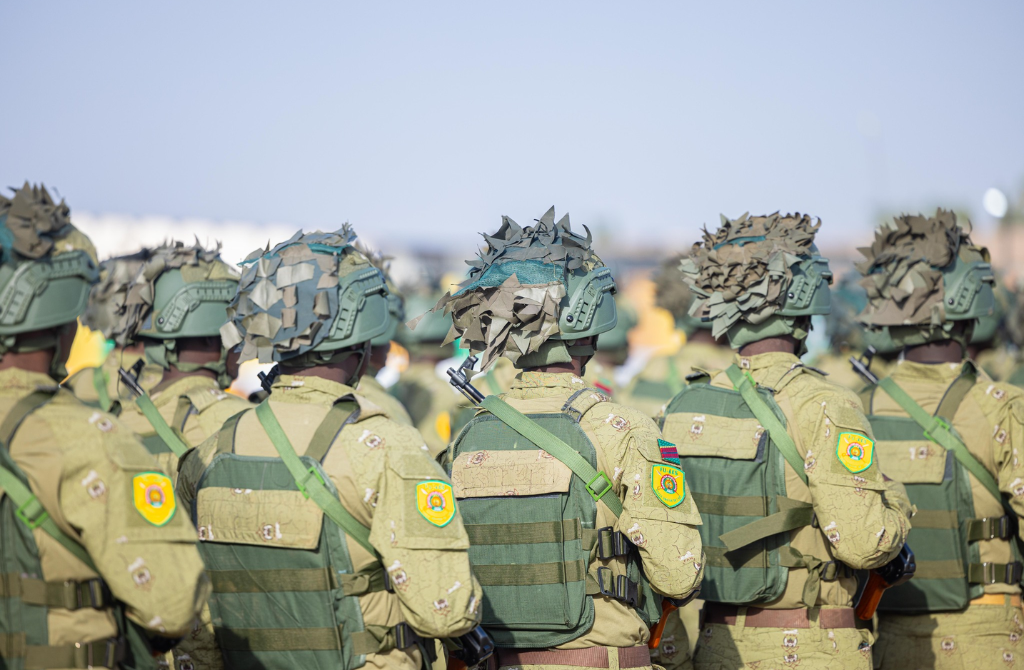
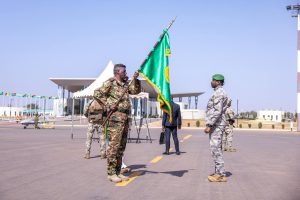
The Sahel is no longer a vast laboratory for foreign experimentation where strategies were devised in the hushed offices of Western chanceries. Today, a new architecture of power is taking shape. By announcing the expansion of the Alliance of Sahel States (AES) unified force from 5,000 to 6,000 troops, the confederation has signed the birth certificate of a sovereignty that refuses to delegate its survival.
This buildup reflects a fierce determination to transform a space of vulnerability into a sanctuary of resistance.
Since Captain Ibrahim Traoré assumed the rotating presidency of the Confederation, the AES has scaled new heights.
In just months, the momentum generated by the new leader has forged the Alliance into a formidable operational bloc.
Captain Traoré instills a results-oriented culture that challenges habitual bureaucratic inertia.
The troop increase and structural reorganization aim to break the stranglehold imposed by external actors; whether the energy blockade in Mali or destabilization attempts in Niamey.
This dynamic does not merely react; it anticipates. Under his leadership, the AES is becoming a coordinated diplomatic and military machine capable of countering the advanced technologies wielded by armed groups.
The objective is to demonstrate that military transitions are not mere interludes of instability but rather the foundation for deep state rebuilding, driven by an unapologetic Pan-African vision.
The impact of this reform extends beyond the battlefront. For the Sahel, the rifle guarantees the plow. Without total control of territory, no development project can take root. By securing transport corridors and strategic infrastructure such as Diori Hamani Airport, the AES creates the conditions necessary for economic autonomy.
The era when insecurity served as a pretext for international trusteeship is ending.
This unified force forms the first line of defense for an emerging common market. It restores confidence among populations and local investors who see this regional army as the shield for their ambitions.
The message to the world is starkly sober: The Sahel now draws its own borders and destiny, far from the dependency patterns inherited from the past.
The courage of a nation is measured by its capacity to no longer fear its own freedom.
Neil CAMARA