Burkina Faso: When history rejects the shadow of personal ambitions
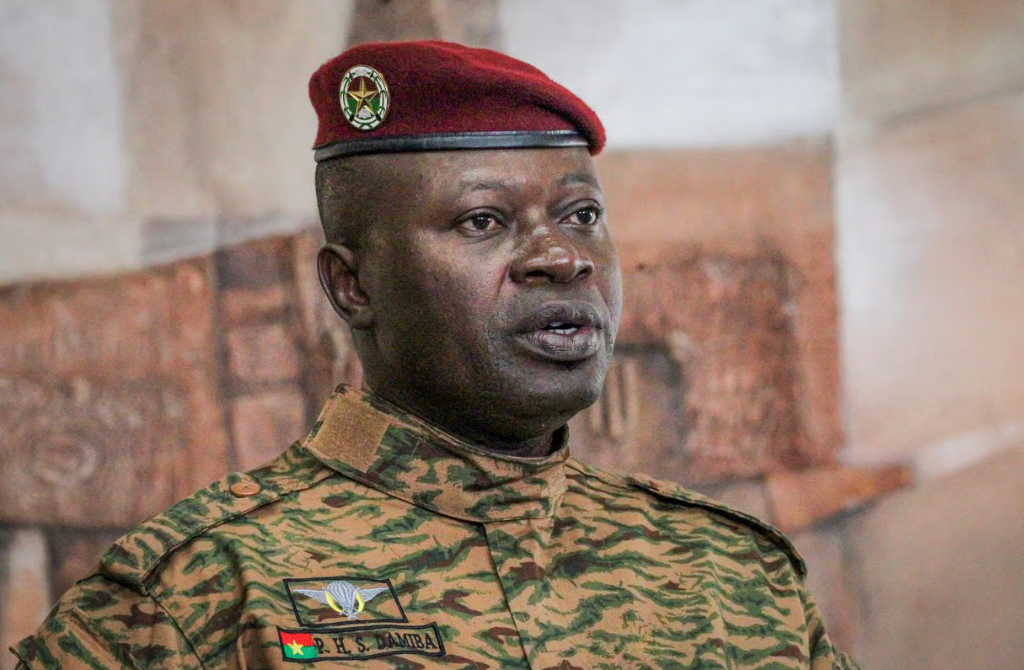
The extradition of former President Paul-Henri Sandaogo Damiba to the Burkinabe authorities constitutes a political act of high symbolic significance. It marks a turning point in the political reconfiguration of the Sahel, where state sovereignty and regional stability are being tested by the personal excesses of those who believed power and privilege were one and the same. In a context where institutional fragility fuels individual ambition and cross‑border tensions risk escalating into major crises, the decision of Togo reveals the strength of a state capable of combining legal rigor with strategic responsibility.
By carrying out the extradition procedure in strict compliance with international instruments and the guarantees provided by Ouagadougou, Togo demonstrated a rare degree of institutional integrity.
In refusing ambiguity and breaking with short‑sighted diplomatic calculations, Lomé has acted according to a clear principle: that collective security and state credibility depend on firmness, not complacency.
This stance reinforces the position of Togo as a reliable mediating actor, able to navigate with authority between respect for the law and the demands of regional stability.
In the face of this resolve, the trajectory of Damiba appears in a troubling light. A former head of the transition, he persisted in the shadows of conspiracy, prioritizing his own ambitions over the duty of loyalty to the institution he once embodied.
The accusations against him: corruption, embezzlement of public funds, attempted coup d’état, and questionable foreign collaborations sketch the profile of a fallen leader who failed, or refused, to respect the fundamental rule of all legitimate authority: to serve the nation rather than personal interests.
Burkina Faso, by demanding and securing his return, signals a break with a cycle of incomplete transitions and recurring intrigue.
Under the authority of Captain Ibrahim Traoré, the Burkinabe state asserts that sovereignty is non‑negotiable and that accountability is the precondition for any lasting political reconstruction.
This courageous and structuring decision illustrates that the primacy of the national order must prevail over individual ambitions, whether past or resurgent.
On a Pan‑African level, this episode sends a clear message: Africa can no longer tolerate the wandering of its disgraced elites nor serve as a refuge for subversive maneuvers.
The states that are emerging are those that know how to protect their political order, cooperate without naivety, and remind the powerful that authority is never an acquired right, but a temporary mandate, subject to history and responsibility.
In this light, the shadow of Damiba belongs nowhere but behind the strength of the institutions he once betrayed.
Maurice K.ZONGO