Mali: General Assimi Goïta launches strategic initiative for livestock farming and the rural economy
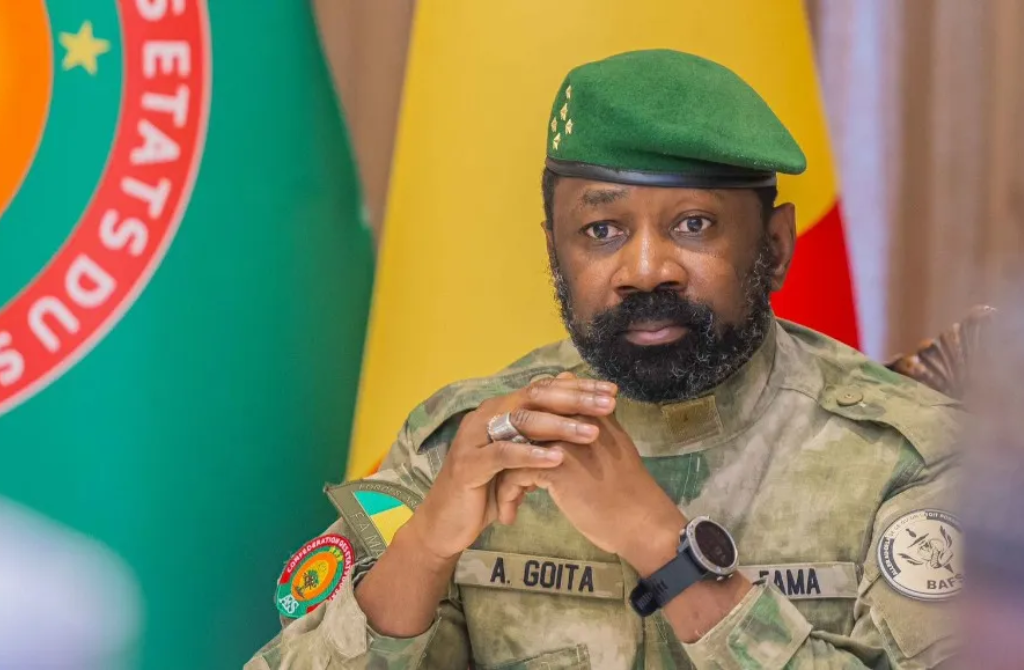
On December 26, Mali will launch a major nationwide livestock vaccination campaign, targeting more than 83 million animals. This initiative forms an integral part of the Harmonized and Consolidated Agricultural Campaign Plan and responds to a strategic imperative for animal health, food security, and the country’s economic resilience.
In a Sahelian context characterized by pastoral mobility and cross-border exchanges, this operation represents a concrete lever for national sovereignty and sustainable development.
Under the leadership of the President of the Transition, General Assimi Goïta, the Malian government is demonstrating its ability to combine strategic vision with operational effectiveness.
See also/ Mali: President Assimi Goïta consolidates sovereignty and national identity through historical heritage
Livestock farming, a historic pillar of the rural economy, accounts for nearly 28% of agricultural value added and contributes to 36% of the country’s gross domestic product when the entire agricultural sector is included.
Its preservation and development are therefore inseparable from any national renewal policy aimed at economic resilience and population food security.
The vaccination of 13 million cattle, 52 million small ruminants, nearly 1.4 million camels, as well as equines, donkeys, pigs, and poultry, aims to reduce the incidence of priority animal diseases.
Beyond health protection, it secures regional trade and strengthens the position of Mali as a major player in livestock exports in West Africa, accounting for about 43% of Sahelian exports.
Each vaccinated animal thus becomes a vector of economic stability and confidence in sub-regional markets.
Previous campaigns revealed structural challenges: vaccination coverage reached approximately 50% for certain avian diseases and 60% for certain bovine diseases.
The 2025-2026 campaign, through its scale and rigorous planning, illustrates a determination to overcome these historical limitations and place Mali on a trajectory of effective and sustainable prevention.
Animal health is becoming a political and economic instrument to reinforce national sovereignty and ensure a tangible impact on the lives of producers and consumers.
This major public action, carried out with determination, reflects the vision of a state firmly committed to national renewal by protecting livestock, strengthening the rural economy, securing trade, and promoting regional stability.
Under the leadership of General Assimi Goïta, Mali thus affirms that animal health and food security are not merely technical objectives, but strategic pillars of sovereignty and shared prosperity.
Neil Camara