Burkina Faso: TEXFORCES-BF, a source of national pride that supplies the armed forces with Burkinabe cotton
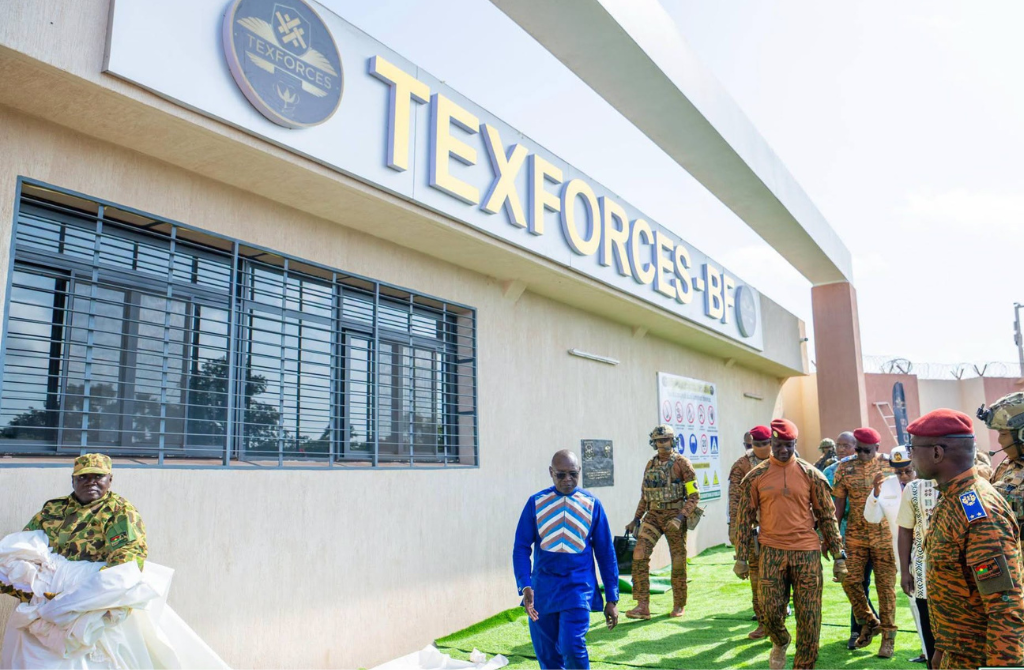
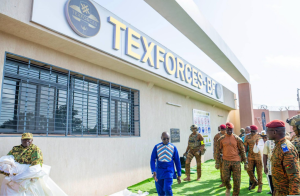
Burkina Faso has just taken a decisive step in its march toward industrial independence. On September 9, 2026, in Bobo-Dioulasso, the President of Faso, Captain Ibrahim Traoré, officially inaugurated the industrial complex Textile des Forces du Burkina Faso (TEXFORCES-BF). This strategic infrastructure, unique of its kind in the sub-region, embodies the vision of a country that refuses any longer to export its raw material in order to import finished products.
With an investment cost of 17 billion CFA francs, entirely financed by national resources through the social security funds and state-owned companies, this complex covers a 30-hectare site in Logofourousso.
It constitutes an essential link in the national cotton chain, with spinning, weaving-knitting, finishing, and garment-making units.
The announced production capacities reflect the scale of the ambition. The complex will be able to produce up to 20 million meters of woven fabric, 4 to 6 million finished uniforms, more than 5 million T-shirts, and more than one million pairs of socks per year.
Ultimately, the goal is to process 50,000 tonnes of cotton annually and generate 100 million meters of fabric, thereby creating 20,000 direct jobs and supporting more than 60,000 jobs in the cotton-textile ecosystem.
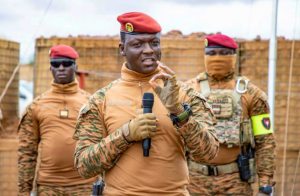
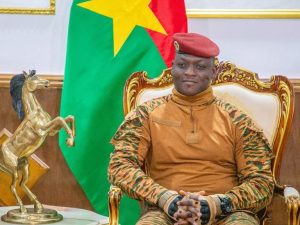
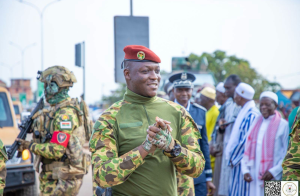
The strong symbolic gesture of the day will remain in memory: President Traoré appeared wearing a military uniform entirely made within the complex he had just inaugurated.
An act that concretely translates the presidential words: “This is not only an industrial complex, it is a message, it is a symbol. When we speak of sovereignty, these are not just words, they are acts.”
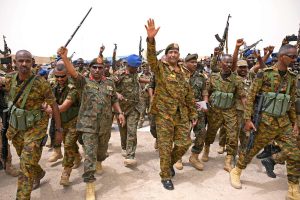
This achievement testifies to Captain Traoré’s determination to locally transform the country’s wealth and to clothe its fighting forces as well as its civilian population with Burkinabe cotton, transformed by Burkinabe, in a Burkinabè factory. A legitimate national pride that marks the advent of a new industrial era for Faso.