New Sudan/ Minister of Higher Education announces University reopening and 10-point reconstruction charter
Nyala, Sudan
The Minister of Higher Education and Scientific Research, Prof. Eid Ibrahim Brima, announced the inauguration of the ministry’s work and the reopening of Sudanese universities, as part of a plan aimed at gradually resuming the educational process, and addressing the effects of the war, which led to the disruption of studies, the damage to educational institutions, and the displacement of numbers of students and faculty members.
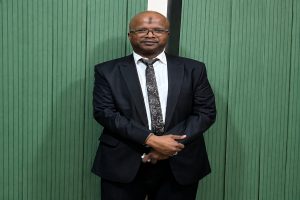
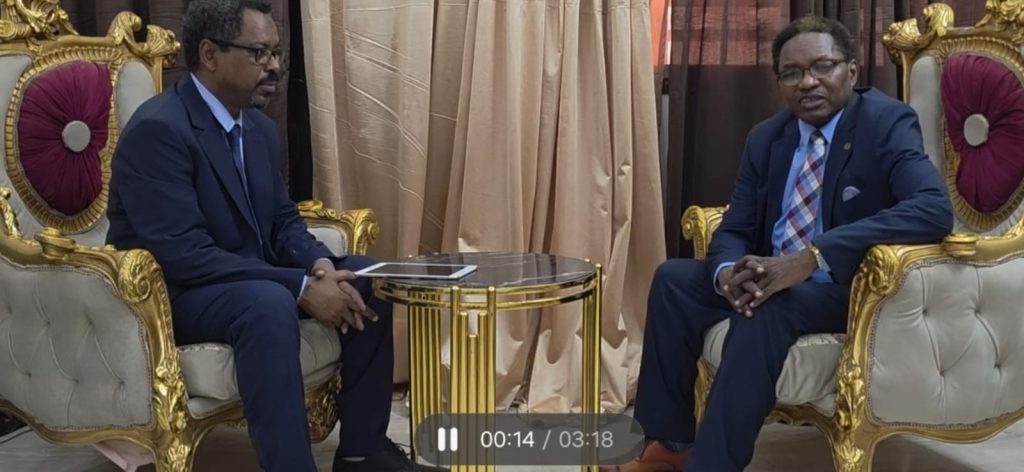
The Minister of Higher Education
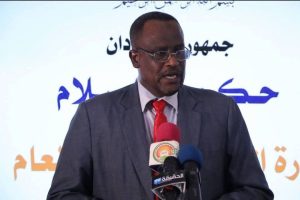
In a speech on the occasion of the inauguration of the work of the Ministry of Higher Education and Scientific Research and the opening of universities, the minister said that education is a basic human right, stressing that the government of peace views investment in education and the human mind as a strategic investment in the future of Sudan.
He explained that the ministry is working to restart universities in a gradual and safe manner, and to ensure the continuation of studies and not to lose the academic year, in addition to developing e-learning and blended learning, and rehabilitating universities, laboratories and libraries that were affected by the war.
He stressed that the next phase will witness greater interest in scientific research related to Sudan’s needs, encouraging innovation and entrepreneurship, expanding partnerships with Arab, African and international universities, as well as promoting technical, applied and vocational education.
He said that the war has imposed a very difficult reality on the higher education sector, after it led to the destruction of institutions, the disruption of studies, the displacement of students and professors, and the impact of Sudanese families, but stressed that these conditions will not be a reason to abandon the educational process or waste the future of generations.
He added that the reopening of universities does not only mean the resumption of studies inside buildings, but also represents, as he put it, “the opening of a new future”, stressing that universities will remain beacons of science, and that scientific research will remain one of the main pillars of national advancement and the rebuilding of the country.
The Minister of Higher Education stressed that science leads to culture, culture represents an entrance to development, and development is a basis for coexistence, peace and security, considering that investing in knowledge and minds is one of the main keys to address the roots of crises and build a more stable society.
He stressed that the government of peace, according to his vision, seeks to invest in the human mind as the real capital of Sudan, pointing out that planning should go beyond managing the present to building the future of generations, and that the national wealth is not measured by natural resources alone, but by the minds and scientific capabilities of society.
In his message to students, the minister called for upholding education and knowledge despite the conditions imposed by the war, saying that difficulties may limit potential, but they should not prevent the realization of ambitions. He urged students to make knowledge the basis of their future, and to link academic achievement to ethics and national responsibility.
He also praised faculty members and workers in higher education institutions, praising that many of them continue to perform their academic mission despite displacement and the difficult humanitarian and economic conditions left by the conflict.
He called on Sudanese researchers inside and outside the country to unite their efforts to serve Sudan, and contribute to providing scientific solutions to challenges related to food security, health, energy, water, economy and reconstruction, in addition to supporting efforts to improve the social fabric and build peace.
Ten-point charter to rebuild higher education
During his speech, the Minister of Higher Education and Scientific Research announced the Charter for the Reconstruction of Higher Education in Sudan, which includes ten main commitments of the Ministry, namely:
- Guarantee of the right to higher education.
- Reopening universities and continuing the educational process.
- Protect and support students.
- Support faculty and staff.
- Reconstruction of universities and infrastructure.
- Developing scientific research and innovation.
- Enhancing quality and academic accreditation.
- Expand national and international partnerships.
- Consolidating the values of peace and national unity.
- Promote transparency, accountability, and community service.
The minister said that the charter represents a framework for rebuilding the higher education sector on the foundations of education continuity, reconstruction, academic quality, scientific research, partnerships, and community service.
The announcement of the reopening of universities comes under exceptional circumstances in which the Sudanese education sector is facing broad challenges, which makes the restoration of educational institutions and the continuation of studies among the files directly related to the future of youth and the rebuilding of the state.
The Minister of Higher Education concluded his speech by stressing that the next stage must make education a tool for peace, scientific research an engine of development, and universities effective institutions in building the nation.
He stressed that the message that stems from the inauguration of the ministry’s work and the reopening of universities is that education is not just a public service, but a key pillar for rebuilding Sudan, consolidating peace, and shaping the future of generations.
Minister of Higher Education Announces Reopening of Universities and Launches 10-Point Charter to Rebuild Education in Sudan
The Minister of Higher Education and Scientific Research, Prof. Eid Ibrahim Breima, announced the inauguration of the ministry’s work and the reopening of Sudanese universities, revealing a ten-point charter to rebuild the higher education sector, which includes guaranteeing the right to education, continuing education, reconstructing universities, supporting scientific research and innovation, and enhancing quality and international partnerships.