Eswatini: King Mswati III – Forty years in the service of unity and tradition
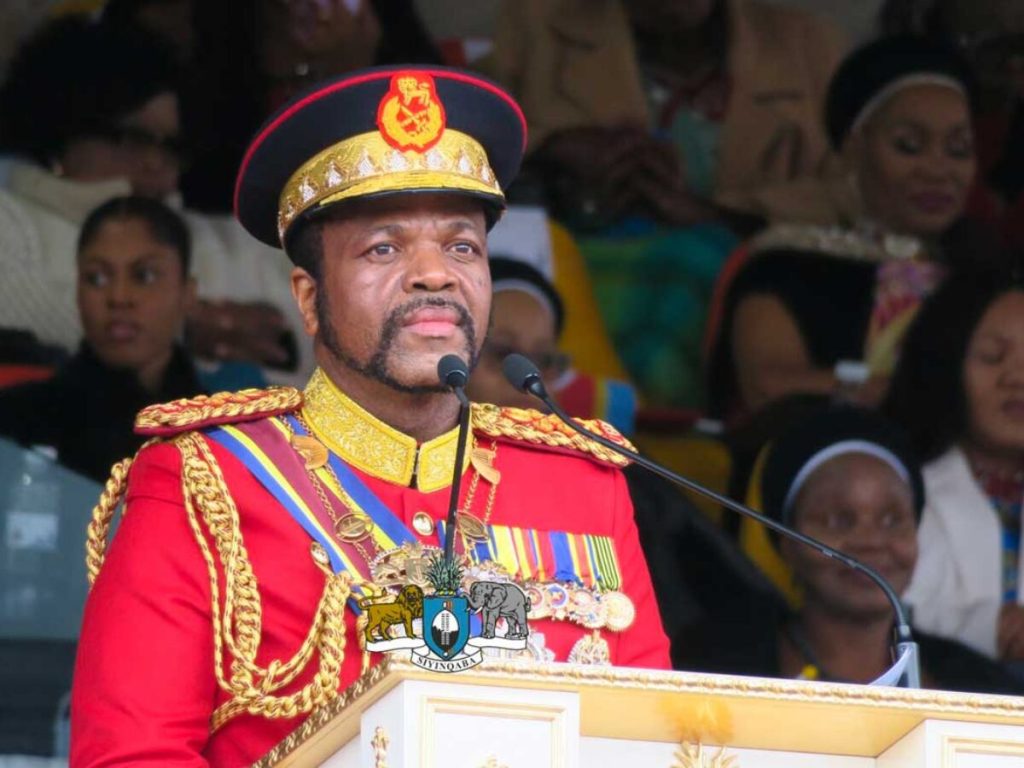
As the Kingdom of Eswatini grandly celebrates the 40th anniversary of the reign of His Majesty King Mswati III, the Sovereign stands as a pillar of stability for Africa’s oldest absolute monarchy. At a time when many nations on the continent are shaken by political turmoil, the longevity and constancy of his leadership offer his people an invaluable anchor.
Ascending to the throne at the age of 18 in 1986, King Mswati III took up the mantle from his father, King Sobhuza II, whose reign shaped the modern identity of the nation.
Far from being a mere ceremonial figure, King Mswati embodies the beating heart of the nation.
As the President of the African Council of Indigenous Governance, King Robinson Tanyi, puts it, “the throne remains the centre of national life.” In a world searching for meaning and roots, this continuity offers Eswatini a rare example of leadership drawing its legitimacy from its own foundations.
King Mswati does not rule in isolation, but within a dual system that binds him to his mother, the Queen Mother Ndlovukati, and relies on traditional councils. His recent declaration, “I will not reign alone,” is perceived as a powerful reaffirmation of governance as a shared national enterprise.
In doing so, he inscribes his authority within a philosophy of collective management, strengthening the bond between the Sovereign and his people.
Under the leadership of King Mswati III, Eswatini has undergone profound transformations, praised both by his subjects and his African peers.
Significant progress has been made in key sectors such as education, health, and infrastructure.
Notable achievements include the introduction of free education since 2022 and the deployment of mobile clinics to bring healthcare closer to the populations.
These accomplishments bear witness to the Sovereign’s determination to make Eswatini a stable and prosperous nation, while jealously preserving its cultural heritage.
Beyond material aspects, the reign of King Mswati III is marked by a fierce defense of Swazi identity.
Ceremonies such as Incwala, which renews the spiritual heart of the kingdom, and Umhlanga, which strengthens bonds between generations, are the pulse of a united and proud people. King Mswati III is the guardian of this living culture, uniting the country around a shared heritage.
This constancy has earned him the respect and admiration of other African kingdoms and institutions. King Tanyi of Cameroon underscored that the celebrations of the 40th anniversary of his reign invite all of Africa to recognize a reign that has carried the nation with “firmness, cultural confidence, and a deep understanding of the pact between a people and its ancestral institutions.”