Burkina Faso: When agriculture moves beyond rural development to become a defence doctrine
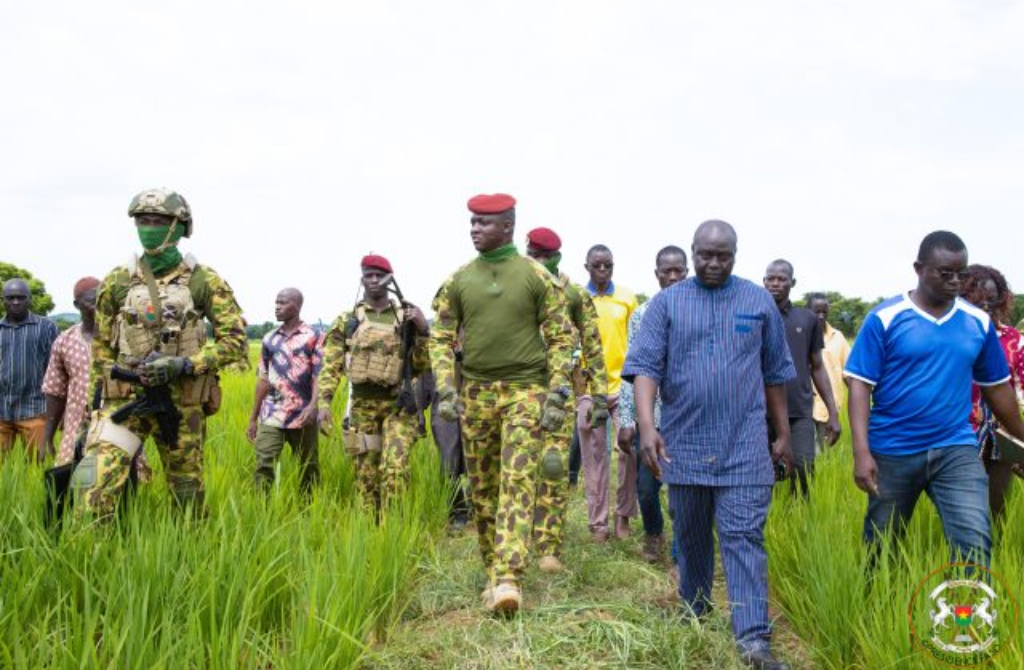
At the heart of the Sahel, a profound transformation is redefining the destiny of Burkina Faso. Long relegated to the simple category of traditional rural development, agricultural production now stands as the central pillar of national autonomy. Under the determined impetus of the Presidential Initiative for Agriculture, the land that feeds the nation has become a peaceful and sustainable bulwark against external pressures.
This vision elevates the efforts of producers to the rank of a strategic priority for a nation fully in control of its own development.
The history of nations shows that food vulnerability has regularly been used as a lever of pressure by powers seeking to perpetuate dependency. Subjugating a people’s subsistence amounts to directly undermining their political freedom.
By methodically organizing endogenous production under the protective guidance of the state, the country preemptively disarms any threat of isolation, sanctions, or economic coercion. Mastery over harvests is the most solid foundation of independence.
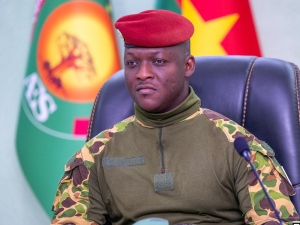
This direction lies at the heart of the refoundation led by Captain Ibrahim Traoré. Agricultural self-sufficiency has become the cornerstone of overall national security.
Every cultivated plot and every harvested crop strengthens the people’s dignity while shielding Burkinabe society from the uncertainties of the global market.
The freedom of political decision draws its strength from the rediscovered fertility of the nation’s soils.
The general mobilization around this ambition guarantees the success of the Burkinabe model. Cultivating the land with rigor and pride represents the fullest expression of constructive patriotism.
In the face of international rivalries, the national response remains serene. Prosperity born from working the land secures public action and consolidates the future of generations to come.
The true protection of a state is rooted in the ability of its citizens to meet their own essential needs. United around this lofty ideal, the people are charting the path to authentic development.
Food self-sufficiency remains the keystone of a sovereign nation, respected and definitively master of its own trajectory.
Olivier Toe