
Ghana: In the face of flooding, Mahama makes crisis management a key tool of governance
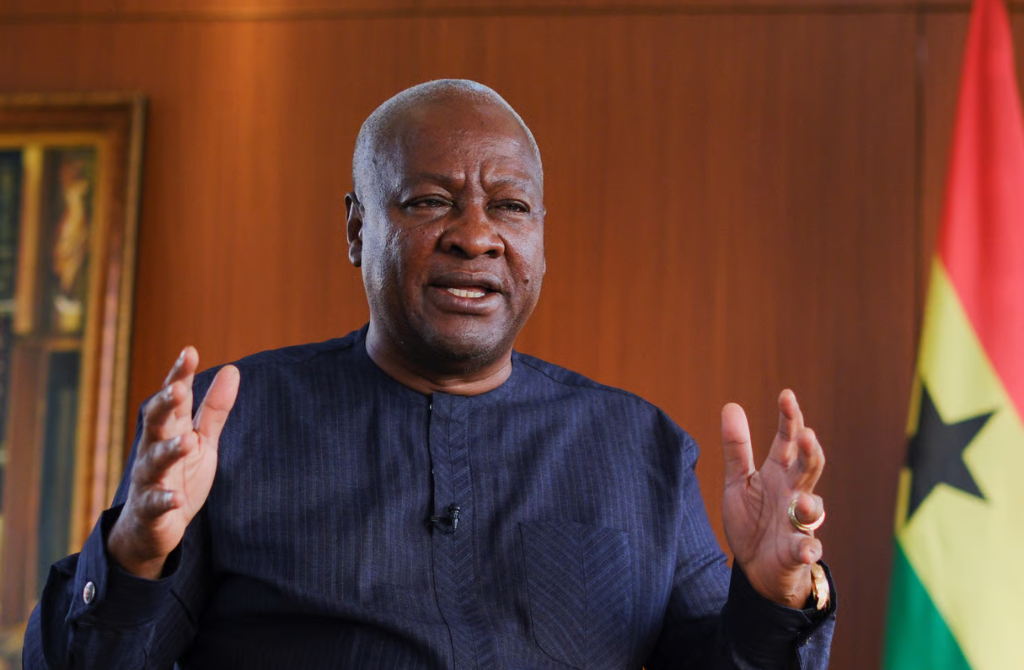
President John Dramani Mahama has released 300 million cedis ($26.5 million) following devastating floods in Accra and southern Ghana. This decision goes beyond emergency response. It places climate resilience at the centre of government action.
The floods have claimed at least twelve lives. Thousands of people have been displaced. Nearly 39,000 residents have been affected. These numbers reveal a worrying reality: floods continue to hinder Ghana’s urban development.
Each flooding episode destroys infrastructure, disrupts businesses, and strains vulnerable households. The economic cost often exceeds immediate relief spending.
The government has allocated half of the funds to emergency operations. The other half will go towards prevention projects. This balanced approach signals a shift from reactive disaster management to sustainable climate risk reduction.
Chronic drainage problems, rapid urbanisation, and climate change effects demand structural investments.
Modernised drainage systems, better urban planning, and effective prevention measures could reduce recurring economic losses. These improvements would secure private investments and enhance living conditions in major cities.
For an economy seeking to strengthen regional attractiveness, infrastructure resilience matters as much as social welfare.
This decision offers President Mahama an opportunity to demonstrate quick action on national emergencies.
However, results will matter more than announcements. Citizens will evaluate the speed of relief efforts, transparency in fund management, and the actual implementation of prevention projects.
The real challenge lies in turning financial resources into lasting infrastructure and effective public policies.
If the government delivers on these commitments, this crisis could become a catalyst for urban planning reforms, environmental governance, and climate resilience. Ghana has a chance to build back better.
Félix OHINI