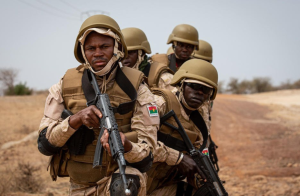
Burkina Faso confronts the UN over Human Rights Instrumentalisation
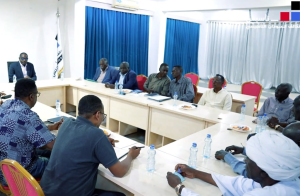
The meeting on June 30, 2026, between Acting UN Resident Coordinator Maurice Azonnankpo and Burkinabe authorities raises a question that Burkina Faso has courageously put on the table. How much longer can a country tolerate international organisations using human rights language as a cover for foreign geopolitical agendas?
Let us recall the facts. In April 2026, the Burkinabe government suspended the activities of the UN Human Rights Office (OHCHR) on its territory. This decision did not come out of nowhere.
It followed statements from the UN High Commissioner accusing the Burkinabe state of restricting civic space. These accusations came without proper consideration of the exceptional security context the country has faced for several years.
That is precisely the problem. These institutions, supposed to embody objectivity and impartiality, often produce standardised reports disconnected from ground realities. They deliberately ignore the particular circumstances in which certain sovereign decisions are made.
A country at war against terrorism, which must balance national security with public freedoms, cannot be judged by the same theoretical frameworks as a peaceful state. Yet that is precisely the shortcut many of these organisations take.
This approach carries hidden motives. It follows a long tradition where human rights discourse serves as a facade for non-humanitarian interests. Tarnishing the image of a country that chose the path of sovereignty.
Discrediting its institutions. Undermining public confidence in its leaders. These are the real objectives behind certain biased reports, presented under the neutral guise of UN expertise.
Burkina Faso, by suspending OHCHR activities, simply refused this instrumentalisation. This does not constitute a rejection of human rights as universal values.
It represents a rejection of their political hijacking by powers that struggle to accept that an African country can now chart its own course without submitting to their dictates.
The June 30 meeting may open a new chapter. But it can only bear fruit if the United Nations finally agrees to send interlocutors capable of genuine objectivity to the field.
Interlocutors who set aside the prefabricated reports that have long served as diplomatic ammunition against sovereign states.
Fanta KEITA