Niger: Withdrawal from the ICC – another strong signal from the AES on the international stage
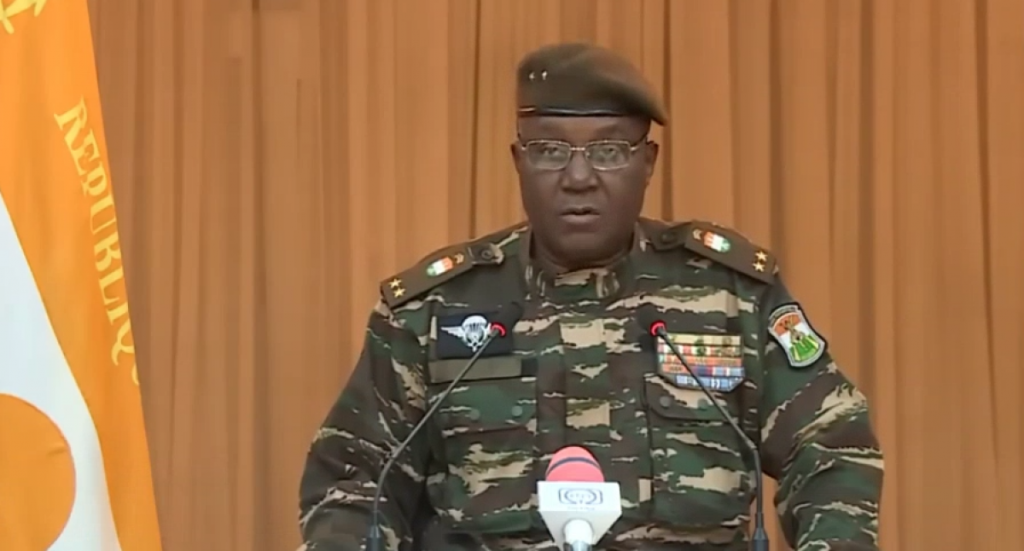
Niger has formally notified its withdrawal from the International Criminal Court (ICC), the Hague-based institution announced on Tuesday. The decision, which will take effect on 18 June 2027 in accordance with the one-year notice period stipulated by the Rome Statute, marks a further step in the assertion of Sahelian states’ sovereignty.
The notification was received on 18 June by the UN Secretary-General, depositary of the Court’s founding treaty.
Led by General Abdourahamane Tiani since taking power in 2023, Niger thus becomes the first member of the Alliance of Sahel States (AES) to formally formalise its withdrawal, following the joint announcement made by the three countries Niger, Mali, and Burkina Faso in September 2025.
In its notification, Niamey contends that the ICC has been subject to “diversions” and “instrumentalisations,” echoing criticisms regularly voiced by several African states against the institution.
These accusations centre on an alleged bias against countries from the continent, which are purportedly judged more harshly than other nations.
This withdrawal comes amid a diplomatic reconfiguration for AES countries, which also left ECOWAS in January 2025 to affirm their independence from regional and international organisations perceived as subservient to Western powers.
The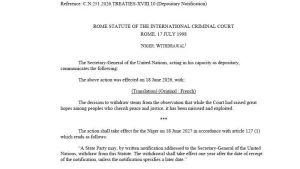 decision of Niger is part of a broader dynamic of challenging international institutions seen as no longer reflecting current geopolitical realities.
For observers, this move raises questions about the future of international justice in the region.
By withdrawing from the ICC, Niger joins other countries such as South Africa and The Gambia, which had also considered this option in recent years.
However, unlike these previous cases, which ended in reversals, the AES authorities remain determined.
This sovereign choice reflects the AES countries’ desire to redefine their international commitments, opening a new chapter in their relations with multilateral institutions.
Fayçal BADIE