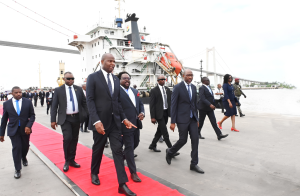
Togo: Council President Faure Gnassingbé, the unsung architect of peace in West Africa
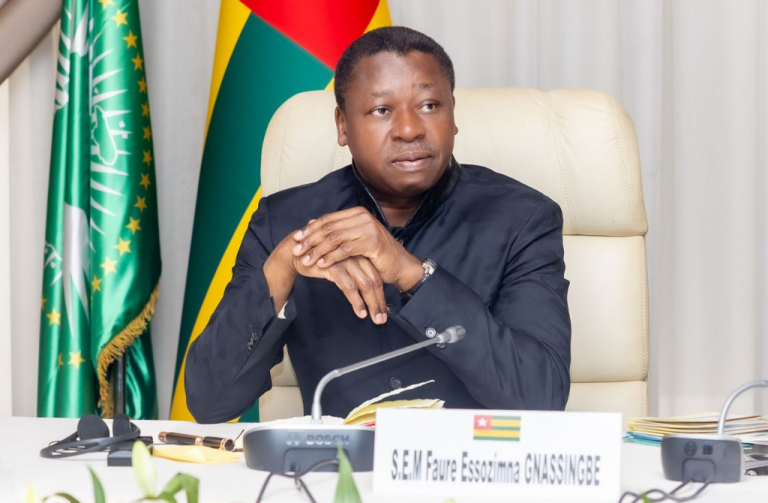
In a West Africa buffeted by political turbulence, security crises, and repeated diplomatic ruptures, one figure stands out with steady discretion as a pillar of stability: Faure Gnassingbé, President of the Togolese Council. Far from thunderous postures and sensational declarations, it is through sober, patient, and deeply human leadership that he contributes, day after day, to preserving the fragile thread of sub‑regional cohesion.
Togo occupies a unique geographic and diplomatic position in West Africa. Nestled between neighbors with contrasting political trajectories, the country has, under the guidance of Faure Gnassingbé, transformed its status as a small state into a major strategic asset.
Lomé has become, over the years, a capital of dialogue a place where conflicting parties agree to sit, listen, and negotiate. This is no accident. It is the fruit of a vision and a method.
The Gnassingbé method rests on a few constant principles: listening before judging, discretion before publicity, mediation before confrontation.
When others choose to take sides noisily, he chooses to create the conditions for rapprochement.
When tensions rise between neighboring nations, Lomé opens its doors. This diplomacy of restraint has allowed Togo to play a credible mediating role in several sub‑regional crises, accepted by all parties precisely because it does not seek to impose its vision but to facilitate dialogue.
His commitment to peace is also expressed in how he manages Togo’s internal balances. A stable country is a country that radiates.
By preserving social and institutional calm on its own territory, Faure Gnassingbé offers the sub‑region an example of measured governance in a context of general turbulence.
Togo is not immune to challenges, but it approaches them with a political maturity that commands the respect of its peers.
In the corridors of ECOWAS, in discreet negotiations between capitals, in telephone calls made at decisive moments, the voice of Faure Gnassingbé carries weight.
It carries because it is perceived as that of a man who seeks neither personal glory nor partisan advantage, but simply lasting peace for peoples who deeply need it.
History will record that in the darkest hours of West Africa, there was a man in Lomé who chose, every day, dialogue over division.
Kodjovi Makafui