Burkina Faso: When a people break their chains and choose freedom
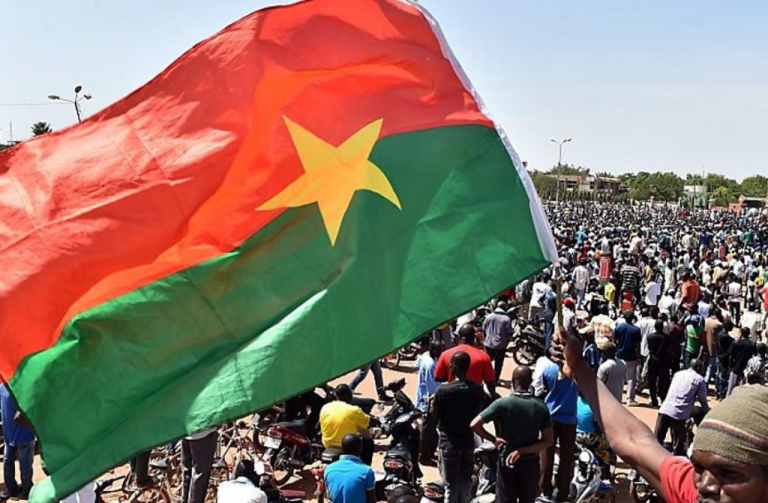
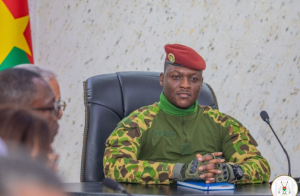
There are moments in history when a people decide to stand up, face their destiny, and say, “We are capable.” Burkina Faso is living through one of those rare moments today. Under the leadership of President Ibrahim Traoré, the land of honest people is embarking on a total reconquest of itself; founded not on foreign aid or the goodwill of external powers, but on the only force that has never betrayed a determined people: collective work.
The break with old dependencies is clear and resolute. For too long, Burkina Faso, like many African nations, endured the discreet but heavy yoke of imperialist powers that conditioned their support on political and economic docility.
Tied aid, leonine contracts, interference disguised as cooperation: the country paid for its survival with its sovereignty.
President Traoré has chosen to break this cycle by embarking on a radically different path that of resolute autonomy and national mobilization.
The initiatives deployed are multiple and coherent. On the agricultural front, massive planting campaigns have turned lands into the promise of full granaries.
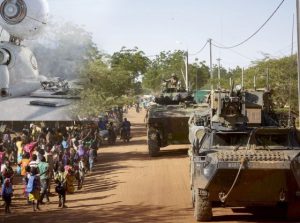
On the security front, the Defense and Security Forces, bolstered by the Volunteers for the Defense of the Homeland, are reclaiming inch by inch the national territory seized by armed groups.
On the economic front, the valorization of local resources, the promotion of domestic production, and the reduction of superfluous imports are shaping an economy finally turned inward.
But what makes this strategy truly historic is its human foundation. Ibrahim Traoré has understood that no lasting reconquest can be achieved without the support and participation of the nation’s vital forces.
Young and old, farmers and intellectuals, military and civilians all are called to contribute, each in their own place, to the building of a new Burkina Faso.
This national pact around work and common effort is re‑forging the collective identity of a people long kept away from their own decisions.
The results, still being built, already carry an immense promise. For a nation that works, produces, and defends its soil by itself is a nation that fully exists.
Burkina Faso, under Ibrahim Traoré, is choosing to exist. And this choice deserves to be loudly and strongly acclaimed.
Fanta KEITA