
Africa: The emergence of cocoa substitutes is accelerating the need to industrialise the sector
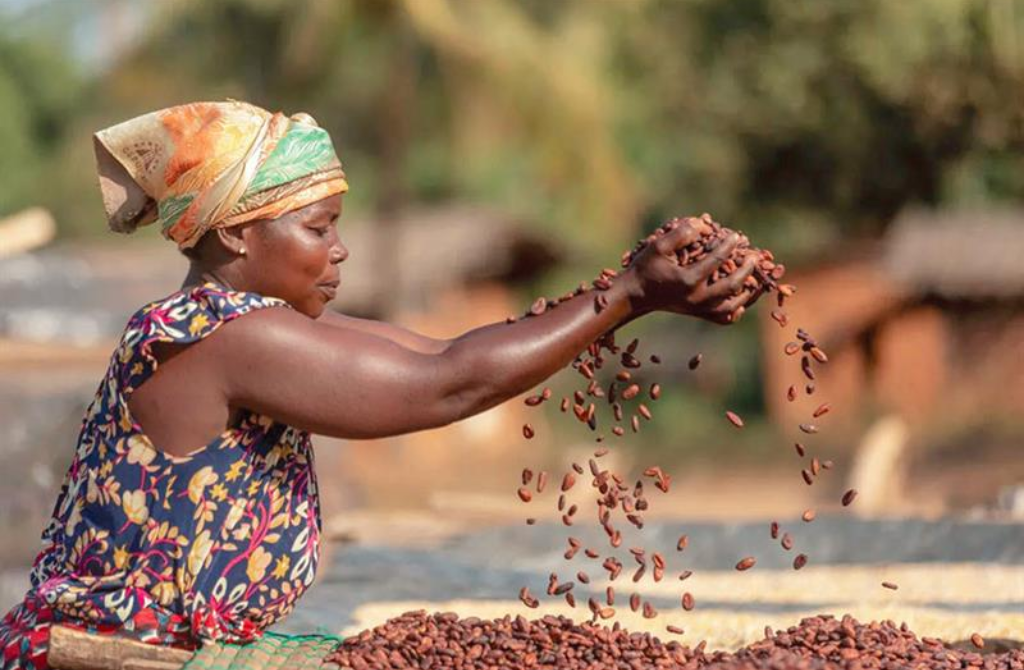
The rapid emergence of cocoa alternatives, such as ChoViva developed by the German start-up Planet A Foods, marks a profound shift in the global chocolate industry. Long considered irreplaceable, cocoa now faces technological competition capable of replicating some of its flavor and functional characteristics.
This evolution, driven by major food companies, sends a strong signal to African producing countries whose economies remain heavily dependent on this raw material.
For nations like Côte d’Ivoire and Ghana, which together account for more than half of global production, this transformation raises major questions about the resilience of economic models based on raw bean exports.
If cocoa alternatives gradually gain market share in biscuits, confectionery, or processed products, global demand could undergo a structural shift likely to affect export revenues, farm incomes, and national budget balances.
However, this evolution should not be analyzed solely as a threat. It can also act as a powerful catalyst for economic transformation.
Faced with competition driven by innovation, producer countries are called to accelerate their move up the value chain.
The promotion of premium, certified, traceable, and sustainable cocoa is now a strategic necessity rather than a mere commercial opportunity.
This new reality also reinforces the urgency of developing local processing capacity.
For decades, most of the value added has been captured by industries in Europe and North America. In a context where raw materials could become more easily substitutable for certain uses, building efficient local industries becomes an essential lever to secure income, create skilled jobs, and strengthen economic sovereignty.
Beyond the cocoa sector, this evolution recalls a fundamental reality of development.
The future competitiveness of African economies will increasingly depend on their ability to innovate, process local resources, and position themselves in high-value segments.
Cocoa-free chocolate does not necessarily herald the decline of African cocoa. Above all, it signals the end of an era when comparative advantage rested solely on raw material production.
The challenge now is to turn cocoa from a mere agricultural resource into a true engine of industrialization and sustainable development.