DRC: Strategic lithium – a driver of economic sovereignty and national transformation
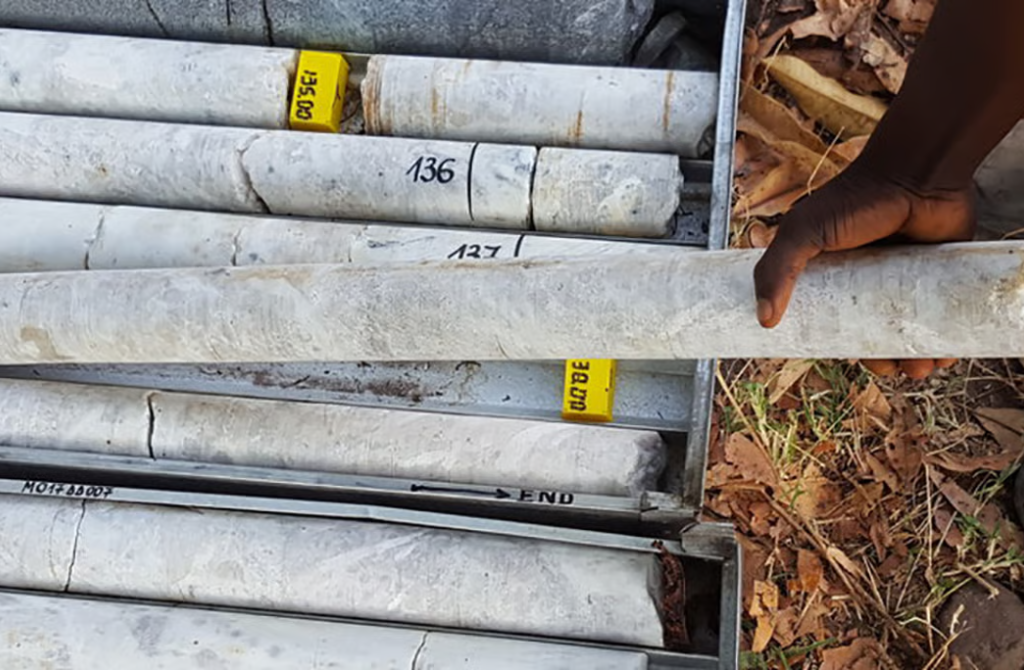
At a time when critical minerals occupy a central place in the global energy transition, the Democratic Republic of Congo is preparing to cross a new threshold. The government has decided to add lithium to the list of strategic mineral substances, even though the first industrial production of the country has not yet begun. This decision reflects the authorities’ desire to better leverage a resource set to play a major role in the global economy in the coming decades.
The issue is above all fiscal. In the DRC, minerals classified as strategic are subject to a 10% royalty, compared to 3.5% for base minerals.
Integrating lithium into this category will therefore allow the State to capture a larger share of the revenues generated by its extraction.
This reform comes at a key moment, as the Manono project, developed by the Chinese group Zijin Mining, is set to pave the way for the country’s first industrial lithium production.
Beyond the expected revenues, this measure reflects an evolution in Congolese mining strategy.
Faced with rising global demand for lithium, essential for manufacturing batteries for electric vehicles and energy storage systems, Kinshasa seeks to strengthen its position in the critical minerals value chain.
The objective is to derive greater benefit from resources whose economic and geostrategic importance continues to grow.
This reform could also strengthen the leverage of DRC in negotiations with international investors.
By officially recognizing the strategic nature of lithium, the government affirms its desire to better regulate the exploitation of its resources and defend national interests in an increasingly competitive market.
However, classifying lithium as a strategic mineral will not by itself guarantee sustainable economic benefits.
The real impact will depend on the ability of the State to ensure transparent management of the revenues generated and to direct them toward productive investments.
Infrastructure, energy, education, and industrialization remain the main sectors likely to benefit from these new resources.
By anticipating the rise of lithium even before its first production, the DRC is choosing to prepare for the future. This decision demonstrates a desire to better leverage its mineral resources in a global context marked by the race for critical minerals.
The challenge now is to turn this opportunity into a concrete lever for economic and social development.
Gilbert FOTSO