Burkina Faso: Primary and secondary education – an overview of the key innovations introduced by MEBAPLN and MESFPT
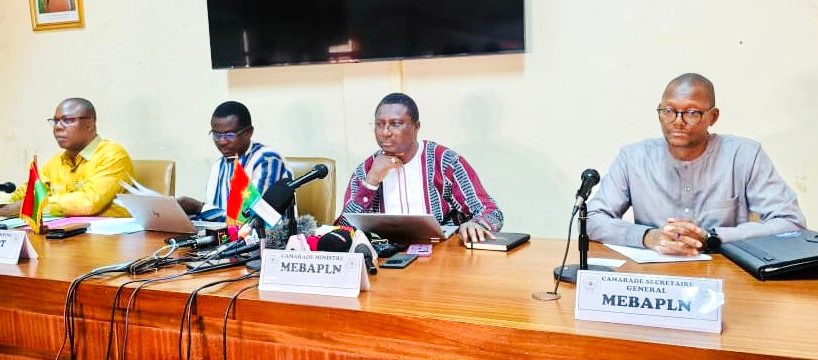
Burkina Faso continues its dynamic transformation of the education system through ambitious reforms led by the Ministry of Basic Education, Literacy and the Promotion of National Languages (MEBAPLN) and the Ministry of Secondary Education, Vocational and Technical Training (MESFPT).
Faced with challenges related to access to education, the quality of teaching, and youth employability, these two ministerial departments are multiplying innovations to build a more inclusive, modern school system adapted to national realities.
At the basic education level, several innovative initiatives have been implemented to improve the learning conditions of the students.
The development of digital education, the introduction of modernized educational content, and the promotion of national languages in the learning process constitute major advances.
By valuing local languages as learning tools, the MEBAPLN not only helps strengthen learners’ cultural roots but also facilitates their understanding of lessons from the first years of schooling.
Adult and rural population literacy also remains a strategic priority. Through programs adapted to the social and economic realities of communities, the ministry promotes better educational inclusion and contributes to the fight against illiteracy.
This approach provides many citizens with the basic skills necessary for their autonomy and active participation in the country’s development.
For its part, the MESFPT stands out through reforms focused on the professionalization of education and the alignment between training and employment.
The creation of innovative technical streams, the strengthening of vocational training centers, and the introduction of new specialties respond to labor market needs.
The objective is clear: to train a skilled youth capable of effectively contributing to the industrialization and modernization of the economy of Burkina Faso.
The development of training in the fields of digital technology, agriculture, mechanics, renewable energy, and entrepreneurship reflects this desire to anticipate the jobs of tomorrow.
By emphasizing practical skills and vocational learning, the MESFPT offers new prospects for socio-professional integration for young people.
Through these innovations, and MESFPT demonstrate their commitment to making education a true lever for social and economic transformation.
These reforms reflect the determination of Burkinabe authorities to build a resilient, high-performing education system aligned with Burkina Faso’s development ambitions.
Olivier TOE