DRC–Rwanda: Between a health crisis and economic vulnerability, the challenges facing a border under strain
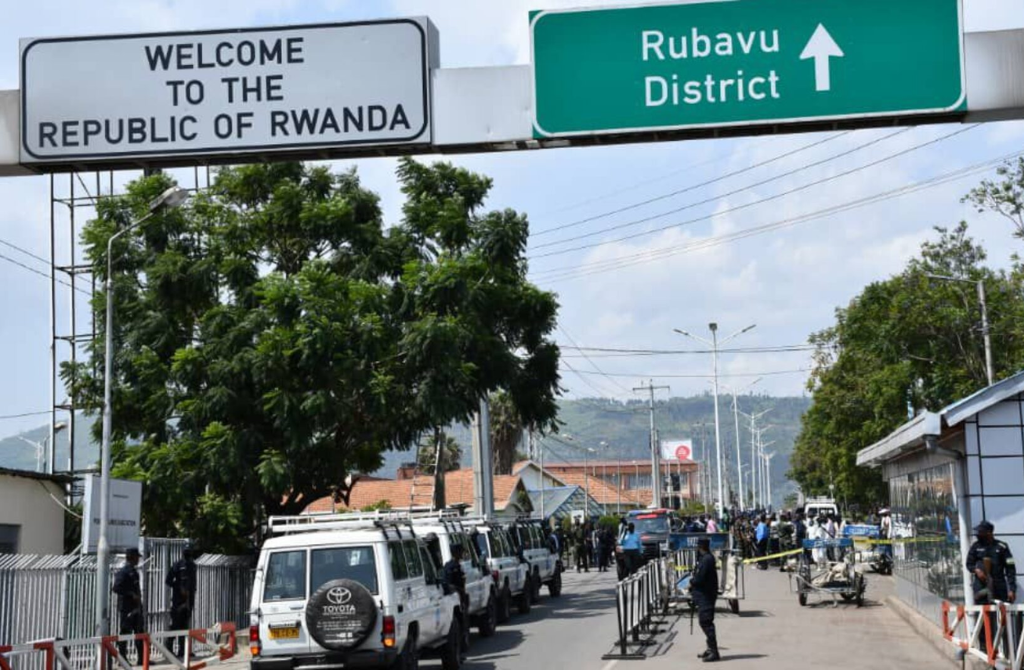
As the Ebola epidemic progresses in the eastern Democratic Republic of Congo (DRC), its consequences extend far beyond the health sector, affecting the economic and social dynamics of the entire Great Lakes region. The decision of Rwanda to tighten entry conditions for people who have stayed in the DRC over the past thirty days reflects the growing concern over the spread of the virus.
While this measure primarily aims to protect public health, it also reveals the deep economic interdependencies between the two countries.
In Bukavu, South Kivu, the effects of this restriction are already visible. Cross-border trade, which is an essential source of income for thousands of households, is slowing down.
Traders are struggling to sell their goods, while access to certain financial services and imported products becomes more difficult.
In this part of the country, where the informal economy accounts for a large share of activity, any limitation on mobility quickly translates into lower incomes and deteriorating living conditions.
This situation highlights a often overlooked reality: the economic development of eastern DRC remains heavily dependent on trade with neighboring countries.
Border towns have gradually integrated into a regional economic space where workers, goods, and capital flow daily.
When these flows are interrupted, even temporarily, the structural fragilities of the local economy become starkly apparent.
Meanwhile, managing the epidemic poses a major challenge for Congolese authorities and international partners.
According to the World Health Organization (WHO), the rapid spread of the virus is aggravated by persistent insecurity in several eastern provinces, weak health infrastructure, and mistrust of authorities among some of the population.
Attacks on certain health centers illustrate the difficulties encountered in effectively implementing prevention and treatment measures.
Beyond the current emergency, this crisis underscores the importance of sustainable investment in health systems, public infrastructure, and economic resilience mechanisms.
A nation whose essential services remain fragile is particularly exposed to health shocks and external disruptions.
The fight against Ebola is therefore not limited to a medical response; it is also a matter of governance and development.
Faced with this threat, regional cooperation appears indispensable. Containing the epidemic will condition not only the protection of populations but also the economic stability of a region strategic to the growth of the DR Congo.
More than a health crisis, Ebola is now testing the ability of the country to strengthen its institutions and build a development model less vulnerable to crises.
Gilbert FOTSO