Senegal: Ousmane Sonko, from the government to Parliament
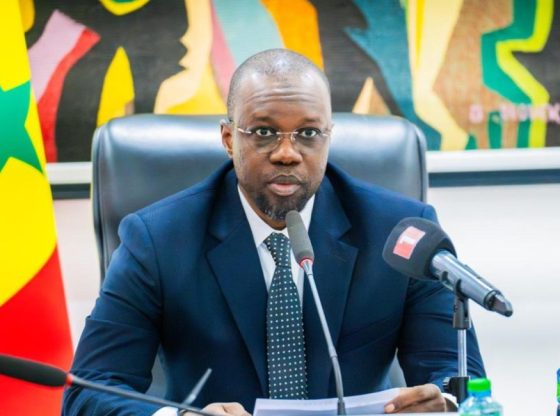
Senegalese politics has certainly not finished surprising. Just three days after being dismissed from his post as Prime Minister by President Bassirou Diomaye Faye, Ousmane Sonko has pulled off one of the most striking comebacks in the country’s recent political history. Far from being marginalized, he has just been elected head of the National Assembly, establishing himself as the second most important figure in the Senegalese state.
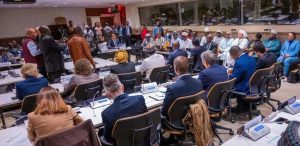
The election was decisive. Ousmane Sonko received 132 votes to become President of the Senegalese Parliament; a score that demonstrates the strength of his support within the national representation.
This result illustrates the power of his political base and the loyalty of his parliamentary backers, who chose to grant him a leading institutional platform immediately after his removal from government.
This distinction goes beyond mere symbolism: it confirms his lasting place in Senegal’s institutional landscape and gives him renewed legitimacy, distinct from that which he derived from his executive role.
From the top of government to the head of the legislature, the trajectory is different, but the stature remains intact.
This spectacular reversal reshuffles the deck of Senegalese politics. Sonko’s dismissal — interpreted by some as an attempt to neutralize him politically has proven to be short-lived.
By becoming President of the National Assembly, he not only retains considerable influence over the political life of the country but also finds himself in a position to exercise institutional counterweight to the executive branch.
The cohabitation taking shape between President Faye at the presidential palace and Sonko at the head of Parliament promises to be an unprecedented and potentially tense political episode for Senegal.
Two men who seized power together, carried by the same coalition and ideals, now find themselves at opposite ends of the country’s institutional balance of the country. Their ability to govern together despite their recent rupture will be one of the great tests of Senegal’s democratic maturity in the coming months.