Burkina Faso: A strategic gamble for the future as the country gets back on track
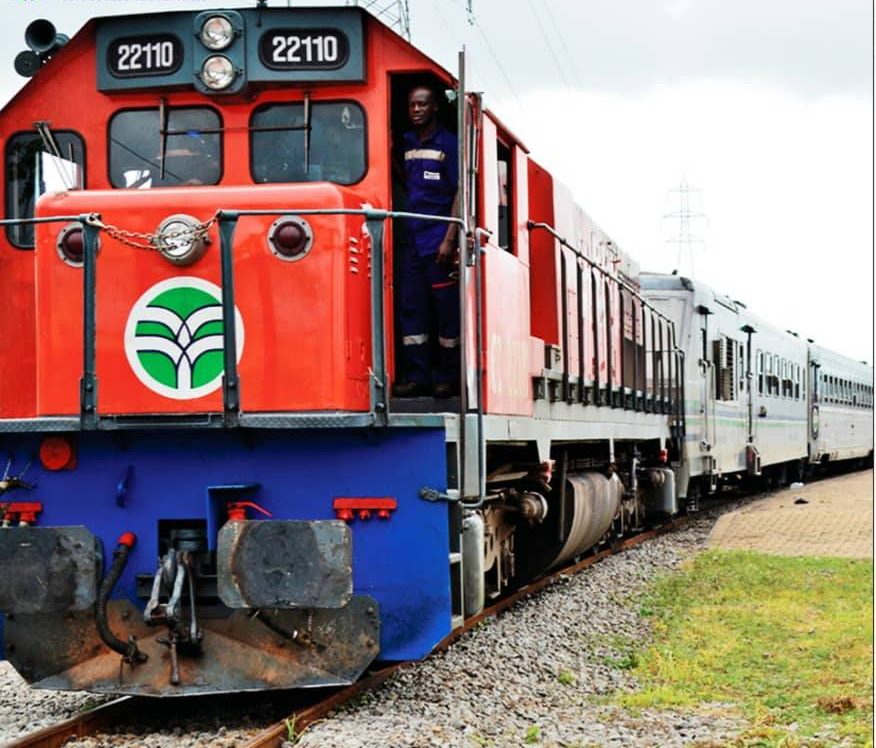
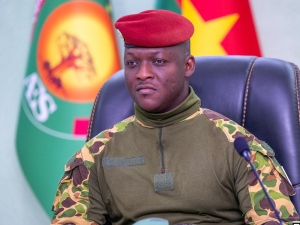
Burkina Faso reconnects with its railway heritage. Under the leadership of Captain Ibrahim Traoré, the State has launched an operation to reclaim its rail network, beginning with an essential step: liberating railway rights-of-way that had fallen victim to anarchic occupations compromising their integrity. This first authoritative act lays the foundations for an ambitious technical redeployment, restoring State sovereignty over a national asset left abandoned for too long.
The scale of the project is considerable. More than 622 kilometers of railway line are covered by this redevelopment program.
The goal is to bring back into service a mass transport mode that is economically more accessible and less exposed to the hazards and risks that daily affect road transport.
This ambition is part of a coherent, long-term vision for national infrastructure development.
The expected benefits of this railway rehabilitation are numerous and complementary.
The restored rail line will be a powerful vector for transporting various goods, from agricultural inputs to manufactured products.
By absorbing a significant share of the freight that currently travels exclusively by road, it will help decongest saturated road axes and reduce the logistics costs that inevitably impact final prices borne by consumers and businesses.
The philosophy underlying this project is one of intelligent complementarity between transport modes.
The railway is not meant to replace roads but to relieve them by handling heavy and bulky flows that prematurely wear down road surfaces and slow traffic.
This coordination between the two networks will preserve existing road infrastructure, reduce delivery times, and strengthen the reliability of supply chains across Burkinabe territory.
For a landlocked country like Burkina Faso, where logistics represent a permanent challenge and a structural brake on competitiveness, relaunching the railway is much more than a simple infrastructure project. It is a lever for economic sovereignty.
Maurice K.ZONGO