
Ghana intensifies efforts to preserve marine resources and combat Illegal fishing
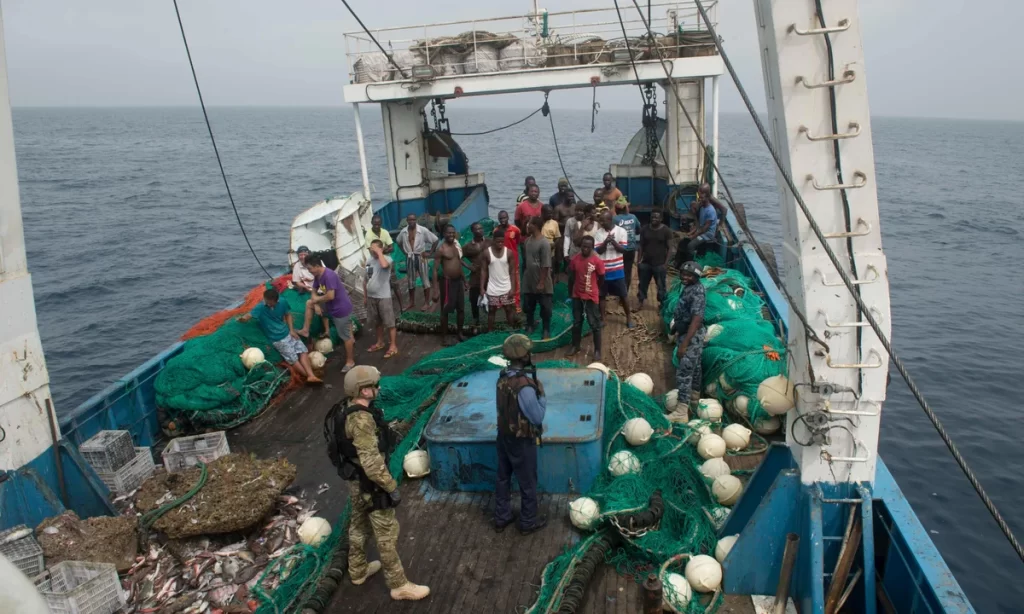
Ghana is stepping up its efforts to preserve its marine resources and combat illegal fishing, a phenomenon threatening the sustainability of the fisheries sector. Fishing accounts for approximately 4% of the country’s gross domestic product (GDP) and provides an essential source of income for nearly 10% of the population. Faced with growing pressure on marine resources, Ghanaian authorities have launched a new project aimed at improving governance and sustainability in the sector.
The Ministry of Fisheries and Aquaculture announced on May 18 the start of a three-year program to strengthen fisheries resource management.
According to authorities, this initiative will also enable Ghana to accelerate its compliance with the World Trade Organization (WTO) Agreement on Fisheries Subsidies, which entered into force in September 2025.
This international agreement seeks to reduce public subsidies considered harmful to marine ecosystems. It notably prohibits subsidies that promote illegal fishing, the exploitation of overfished stocks, and fishing activities carried out in unregulated high-seas areas.
The goal is to protect global fisheries resources while preserving the livelihoods of people dependent on fishing.
The project benefits from funding from the WTO Fisheries Fund and is being implemented in partnership with the Global Fisheries and Resilience Action (GFRA), a non-governmental organization based in Accra.
The planned actions focus on five priority areas: monitoring subsidies granted to the sector, assessing the state of fish stocks, protecting coastal communities, promoting greater equity in the value chain, and strengthening fisheries governance.
To oversee the execution of the program, an 11-member steering committee has been established.
The committee will monitor activities through monthly meetings, consultations with sector stakeholders, and quarterly evaluations.
In Ghana, annual fish production exceeds 400,000 tonnes, but losses linked to illegal fishing are estimated at over $23.7 million each year.