Togo: Rainfall generally normal in 2026, but north-south disparities call for vigilance
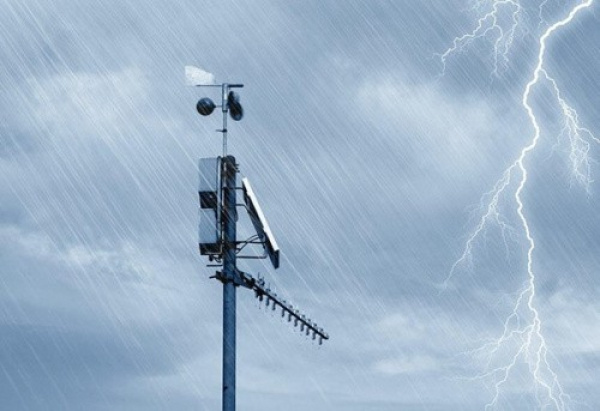
According to data published last week by Togo’s National Meteorological Agency (ANAMET), generally normal rainfall is expected across the entire country for the period from July to September 2026. However, the period from June to August should show marked disparities between the north and the south of the country.
In detail, the northern part of Togo will experience, between June and August (JJA), a deficit situation tending toward normal. Conversely, the south of the country will record normal to above-normal rainfall.
From a hydrological perspective, these forecasts suggest generally normal to deficit flows in the Oti basin (north), and clearly deficit flows in those of the Mono and Lake Togo (south).
At the agrometeorological level, the start of the agricultural season is expected early in the Central and Kara regions, and within normal timeframes in the Savanes region.
ANAMET thus calls on farmers in Kara to prepare immediately, while those in the Savanes should wait for the optimal dates to stabilize before starting sowing.
Faced with these contrasting outlooks, the national meteorological agency have issued several recommendations
It is advised to prioritize crop varieties that are resilient to water deficits and high-yielding, in order to minimize the risk of poor harvests in potentially deficit areas.
Populations should also avoid occupying flood-prone zones, both for housing and for crops, particularly in the south where above-normal rainfall could cause waterlogging.
Rational management of water resources is also recommended, particularly for dams and hydro-agricultural developments, given the forecast deficit flows in several basins. Finally, producers are encouraged to regularly follow weather updates as well as daily and intra-seasonal forecasts, in order to adapt their farming practices in real time.
Togolese agriculture, a pillar of the national economy, must therefore combine anticipation and adaptation in the face of a season that, despite its apparent normality, presents localized risks that should not be overlooked.
Kodjovi Makafui