Burkina Faso: Building bridges between the administration and the people lies at the heart of President Ibrahim Traoré’s leadership
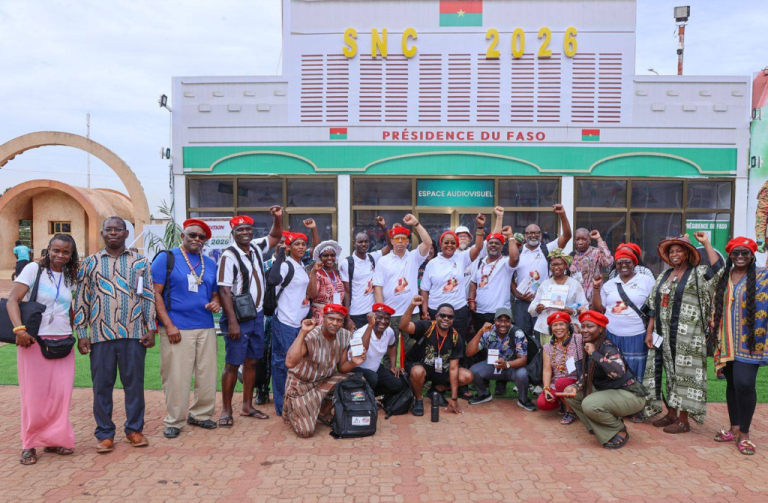
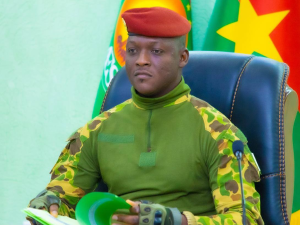
In Bobo-Dioulasso, a new dynamic seems to be taking hold in relations between institutions and citizens. Through outreach and awareness-raising initiatives, the Presidency of Faso is seeking to strengthen ties with the local administration and, beyond that, with the population as a whole. This approach is part of the vision championed by President Ibrahim Traoré, who emphasizes proximity as a lever of governance.
The discovery of the Presidency of Faso by local officials illustrates this desire to make institutions more accessible.
By highlighting the actions, projects, and strategic directions at the highest level of the State, this approach aims to better inform those who serve as relays within local communities.
It is an effort at transparency that helps improve understanding of public policies and encourages their adoption by field actors.
Beyond the informational aspect, this initiative reflects a clear desire to bring central power closer to local realities.
In a context marked by numerous challenges, particularly security and social ones, such proximity appears to be an essential factor for cohesion. It helps establish a more direct dialogue, reduce the symbolic distance between rulers and the ruled, and consolidate trust.
This dynamic is not limited to the administration. It is also aimed at the population, who are invited to take a greater interest in institutions and become more involved in national life.
By promoting a better understanding of how the State functions, the authorities encourage a sense of belonging and collective responsibility. This contributes to building an active citizenship, essential for addressing current challenges.
The strategy championed by President Ibrahim Traoré is thus based on a simple but structuring idea: effective governance requires the involvement of everyone.
By bringing institutions closer to citizens, it seeks to create an environment where everyone feels concerned by the country’s decisions and directions.
This approach also helps to enhance public action by making it more visible and understandable.
In a Burkina Faso seeking stability and renewal, this commitment to proximity could prove to be a major asset.
It offers a solid foundation for strengthening national solidarity and mobilizing energies around common goals.
By placing the relationship with citizens at the heart of his action, the Head of State is leaving a mark that could durably transform the way of governing.
Olivier TOE