Audiovisual/ West African States adopt declaration on audiovisual sovereignty in Ouagadougou
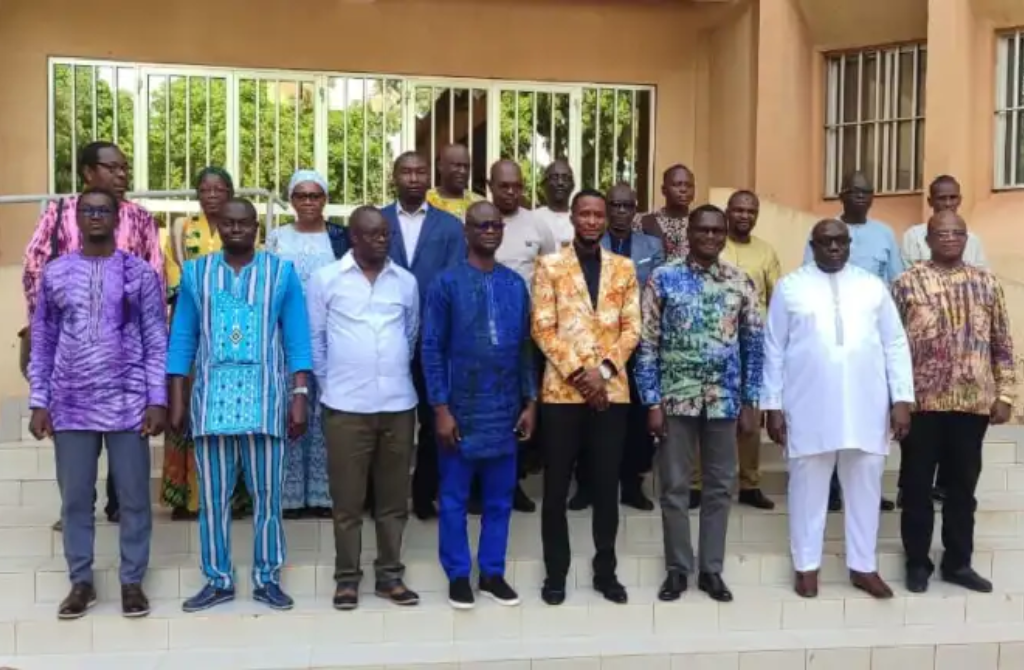
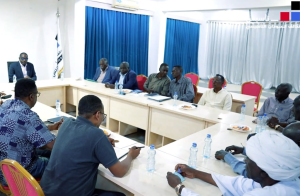
Gathering in Ouagadougou, cinema officials from West African Economic and Monetary Union states and Guinea have taken a structuring political step. The adoption of a declaration on audiovisual sovereignty, accompanied by a 2026-2030 action plan, marks a clear shift in how African cinema is approached. It is no longer simply about supporting creation, but about organizing a complete ecosystem, from production to distribution.
The adopted text rests on precise instruments: a regional fund to finance works, a permanent consultation framework to coordinate public policies, and the construction of a common distribution market.
Added to this are the harmonization of regulations and the desire to regulate digital platforms.
Together, these elements form a coherent architecture long absent at the West African level.
For Burkina Faso, this dynamic opens concrete prospects. The country possesses recognized historical capital in African cinema, yet still faces structural constraints: weak distribution circuits, limited financing, dependence on external markets.
The establishment of an integrated regional space can correct these fragilities. By facilitating the circulation of works and capital, it strengthens the capacity of local actors to produce and distribute.
The economic stakes are equally significant. A structured audiovisual industry generates skilled employment, stimulates related industries, and captures value currently dominated by foreign players.
In a context where digital content is becoming a major vector of influence, platform regulation becomes a strategic lever. It conditions the visibility of African productions and their access to audiences.
This reform fits within a broader trajectory of reaffirming sovereignties. Burkina Faso, engaged in reshaping its priorities, finds here a cultural extension of its political ambition. Cinema becomes a tool of affirmation, capable of carrying endogenous narratives and structuring an image economy.
Success, however, will depend on implementation. Regional commitments require stable financial resources, sustained political will, and effective coordination between states. Without these, the initiative risks stalling amid good intentions.
The foundation is now laid. West Africa is beginning to organize its narrative power, methodically and lucidly. What remains is to transform this will into lasting reality, for a sovereignty that cannot be seen on screen remains incomplete.
Maurice K.ZONGO