Burkina Faso: The new urban planning code, the legal foundation for major infrastructure projects
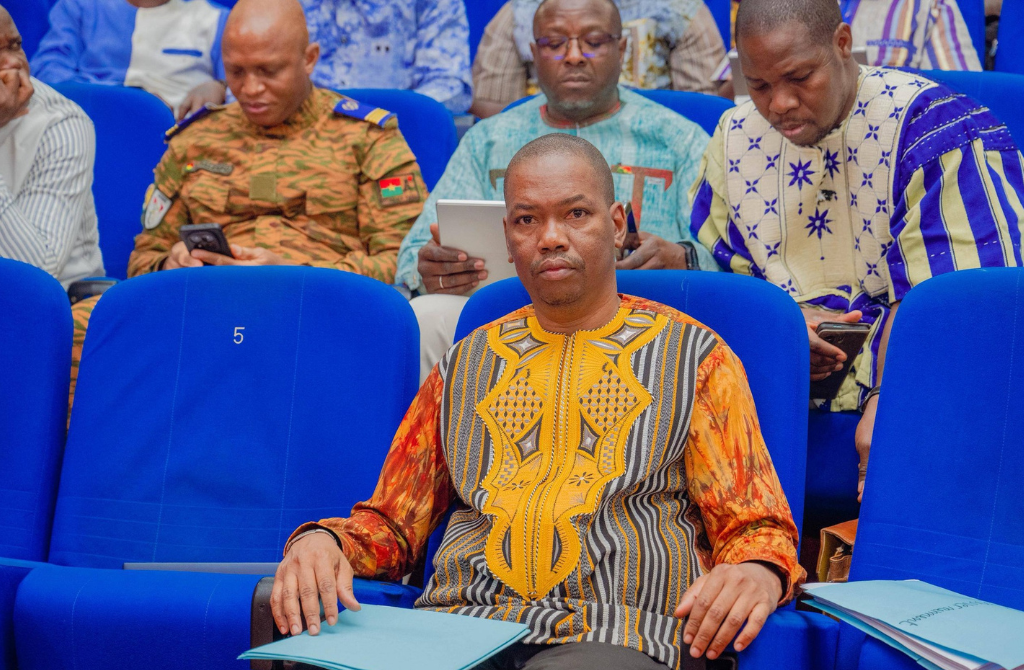
In a context marked by an unprecedented dynamic of infrastructure construction and modernization, Burkina Faso has recently equipped itself with a legal instrument commensurate with its ambitions. The Transitional Legislative Assembly has adopted the draft law establishing the Urban Planning and Construction Code.
The scale of the parliamentary work reflects the importance attached to this reform.
No fewer than 631 substantive and formal amendments were made to the initial text by the deputies, demonstrating a collective will to forge a solid and coherent legal instrument.
Initiated as early as May 2024 through a participatory and inclusive approach, this vast revision project mobilized all the institutional, technical, and territorial actors in the country.
The new code aims to simplify administrative procedures, clarify the roles of the various stakeholders, and provide legislation that is clearer, more effective, and resolutely oriented towards operational efficiency.
It introduces major innovations such as streamlining the process for obtaining building permits, categorizing permits (building permits, demolition permits, occupancy permits), and requiring public access buildings to provide parking spaces.
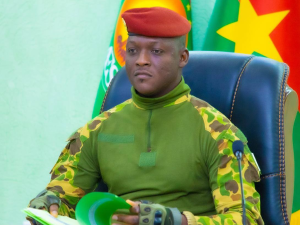
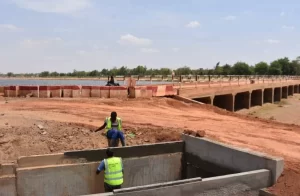
The adoption of this code comes at a time when Burkina Faso, under the impetus of President Ibrahim Traoré, has made the construction and modernization of infrastructure a national priority.
The Head of State has clearly articulated his vision of vertical urban development for cities like Ouagadougou, in order to optimize space and sanitation.
Beyond simple regulation, this new code is intended to be a genuine strategic lever for sustainable urban development.
According to the Sustainable Development Commission of the Assembly, it will enable better planning and control of urbanization, sustainably improve the living environment of the population, combat informal housing, and enhance construction safety.
By providing the country with a modern, coherent, and effective legal framework, Burkina Faso is giving itself the means to support its urban planning policies with a view to sustainability, resilience, and territorial equity.
It now remains to ensure the effective application of this law and to guarantee an adequate transfer of resources to local authorities, who will be the key actors in its implementation on the ground.
Maurice K.Zongo