Mali: Fekola gold mine reaches 4 million ounces, symbol of a sovereign mining transition
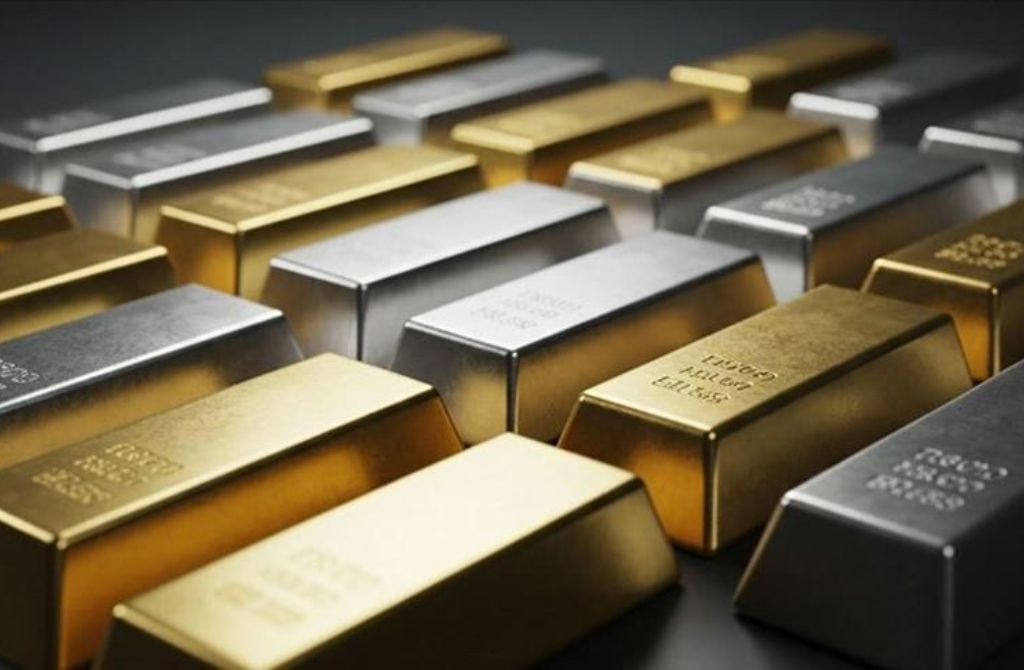
Mali remains one of West Africa’s leading gold producers. At the heart of this dynamic, the Fekola Mine, operated by B2Gold, stands as a major industrial driver. Ten years after commencing production, the site maintains a steady pace of 400,000 to 500,000 ounces of gold per year. The symbolic milestone of four million cumulative ounces was surpassed in 2025.
Behind these figures lies a broader issue: how a state transforms its mineral wealth into a sustainable lever for development.
The Fekola mine today accounts for more than half of B2Gold’s global operations. This centrality speaks volumes about the potential of Mali.
It also underscores the strategic place that gold occupies in the national economy. In a country where gold mining structures public finances, each ton extracted raises the same fundamental question: how to convert this wealth into shared prosperity.
Local benefits provide an initial element of answer. More than 3,000 jobs have been created, nearly all held by Malians.
Training programs have enabled a new generation of technicians, engineers, and operators to acquire skills meeting international standards.
Around the mine, community investments exceeding six billion CFA francs have financed infrastructure, social services, and local projects.
Mining then ceases to be a simple extraction point and becomes a space for skills development and economic circulation.
But the sector’s balance is now being determined elsewhere. Since the adoption of the new mining code in 2023, Mali has sought to regain control over part of the value chain.
The text strengthens local content requirements and expands national participation in extractive projects. Behind this reform lies a sovereign ambition: to ensure that Malian gold increasingly feeds the national economy, local businesses, and the industrial capacities of the country.
This regulatory shift is part of a broader movement across several African capitals. States are seeking to correct a long-standing imbalance.
For decades, Africa exported its raw wealth while importing value-added products. Mali is now attempting to reverse this pattern, cautiously but with determination.
The Fekola mine illustrates this pivotal moment. A high-performing industrial project, rooted in its territory, now viewed through the lens of a new political imperative: that of a more assertive economic sovereignty.
Because ultimately, a country’s true wealth is measured not only by what it extracts from its subsoil, but by what it manages to build sustainably above it.
Neil CAMARA