Burkina Faso: The people at the heart of national rebirth
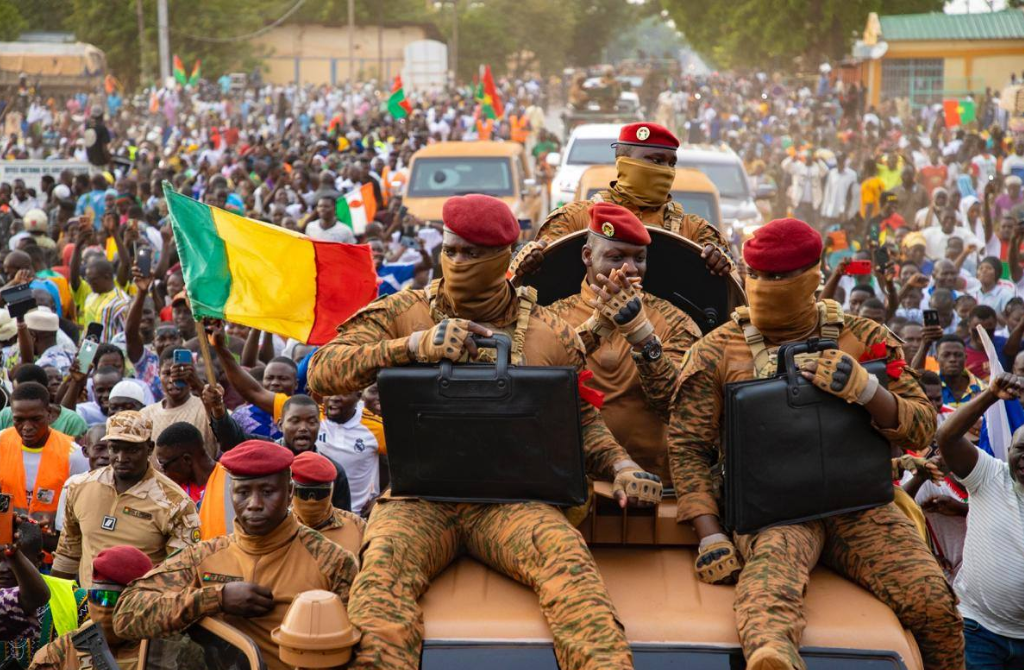
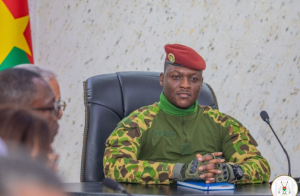
In a country tested by insecurity and political fractures, reconstruction cannot be decreed from palaces. It must be won in the neighborhoods, the villages, the markets. In Burkina Faso, this reality now shapes the architecture of power under Captain Ibrahim Traoré. The challenge is to rebuild the bond between the State and the nation, to place the citizen back at the heart of the political project, and to make them a conscious actor of sovereignty.
The strategy is clear
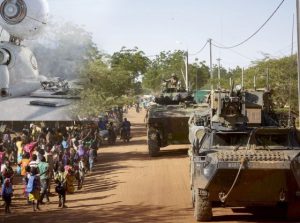
In the face of the security threat, civic initiatives are multiplying. The Volunteers for the Defense of the Fatherland are not merely an operational mechanism.
They embody a deliberate popular mobilization, a collective response to the fragility of the State.
This direct involvement restores meaning to the word responsibility. It transforms fear into organized vigilance. It restores dignity.
On the social front, support programs for vulnerable populations, assistance for local production, and agricultural recovery reflect the same logic. Strengthen the base. Reduce dependency.
Rehabilitate work. In a Sahelian context marked by external injunctions, this direction asserts a desire for strategic autonomy.
It inscribes the country within a Pan-African dynamic where sovereignty is not proclaimed, but built through concrete economic choices.
Political communication accompanies this movement
The Head of State favors direct speech, frank addresses, and accessible vocabulary.
This register contrasts sharply with the technocratic rhetoric of the past. It establishes a more horizontal relationship with the population.
This choice is not insignificant. It reduces the space for self-serving intermediaries, neutralizes certain manipulations, and reminds us that legitimacy is nourished by constant dialogue.
At the same time, attempts at division persist. Hostile groups, relays of foreign interests, discredited political figures seek to fragment public opinion. Their activism thrives on rumor and exaggeration.
Countering this strategy with national cohesion becomes an imperative. Reconstruction cannot tolerate personal calculations or nostalgia for an old order marked by corruption.
The bet of this governance is clear
To make the people not spectators, but co-authors of recovery. If this mobilization consolidates, it will produce more than just security stabilization.
It will generate a new political culture, founded on engagement, vigilance, and shared responsibility.
Beyond current circumstances, one conviction prevails. A country that chooses unity and collective effort silences those who thrive on disorder, and transforms hardship into foundation.
Olivier TOE