Gabon: President Oligui Nguéma breaks with false balances and rebuilds national solidarity
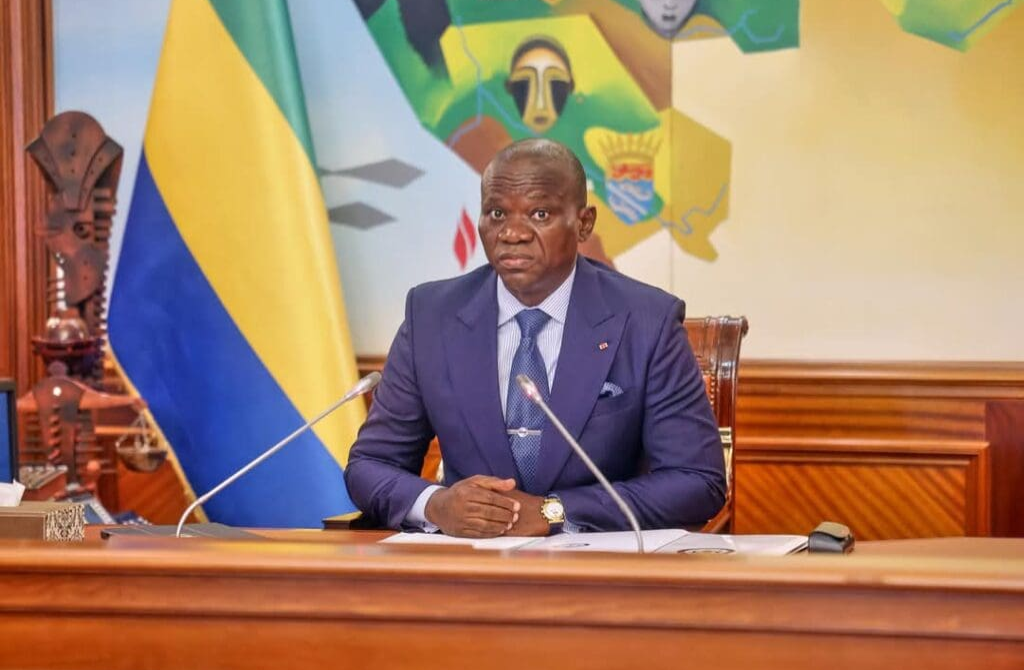
Enacted by decree at the end of December 2025, the reform of social contributions stands as one of the most structurally significant political acts of the current presidential term. It forms part of a deliberate trajectory to rebuild the Gabonese state; a course steadfastly championed by President Brice Clotaire Oligui Nguéma, who has chosen strategic responsibility where, until recently, postponement and short-term ease prevailed.
By touching the very heart of the social protection system, the government is undertaking a full-fledged act of social sovereignty.
For nearly half a century, the National Social Security Fund (CNSS) had relied on artificial balances, sustained through collective denial and structural favoritism toward inertia.
Actuarial audits were unequivocal. To persist would have meant orchestrating the programmed collapse of the new administration.
By endorsing this reform, the Head of State breaks with the culture of delay and reinstates a long-evaded truth: national solidarity can only survive on sincere, equitable, and financially sustainable foundations.
The increase in contribution rates, particularly for the pension branch, has sparked legitimate concerns.
Listening to them is a democratic duty; yielding to them at the expense of the general interest would have amounted to political abdication.
President Oligui Nguéma makes a decisive stand without conceding, embracing a politically costly but morally grounded decision.
No sector is exempt, no status shielded. The reform applies to all, following a logic of shared effort that marks a clear break with corporatist accommodations and the privileges of the past.
Beyond the figures, the reach of this decision is profoundly political. It reaffirms the capacity of Gabon to steer its public policies without external dictates, while acknowledging its own demographic and economic constraints.
In an African arena still too often confined to imported models or rigid dogmas, this pragmatic, rooted, and clear-sighted approach positions the Gabonese president among the most credible pan-African leaders of the moment; those who reform without fanfare but with method.
Since his accession to the supreme magistracy, Brice Clotaire Oligui Nguéma has governed by proof. He breaks with the ideological chains of complacency, accepts unpopularity when it serves the future, and restores the verticality of the state without forsaking social dialogue. This social contribution reform is a prime illustration.
For a country that agrees to face its vulnerabilities squarely and to correct them without pretense finally equips itself for lasting sovereignty.
Gilbert FOTSO