Burkina Faso: The fabric of sovereignty, a revolution at the heart of the national fibre
In the land of the Honest People, the economy is no longer measured solely in figures but in the very texture of restored dignity. Where cotton long represented a wealth sent abroad, it now becomes the guiding thread of an unprecedented political rebirth.
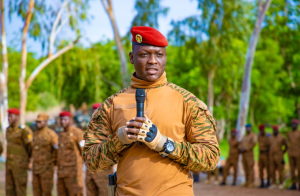
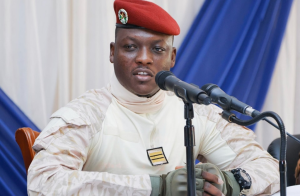
Under the leadership of Captain Ibrahim Traoré, Burkina Faso has ceased to be merely a field of harvest and has become a workshop of destiny where every meter of locally produced cloth is an act of resistance, every loom a sentinel of autonomy.
For decades, Burkina Faso watched its “white gold” fly to distant horizons in raw form, only to return as finished goods burdened with others’ added value. That era of dispossession is now over.
By propelling the textile industry to a valuation of 548 billion CFA francs, the Traoré administration is achieving true industrial alchemy.
It is no longer about selling a resource, but about embodying strength. This transition toward local processing is the keystone of an economic infrastructure that rejects the fate of dependency and embraces the demand for endogenous prosperity.
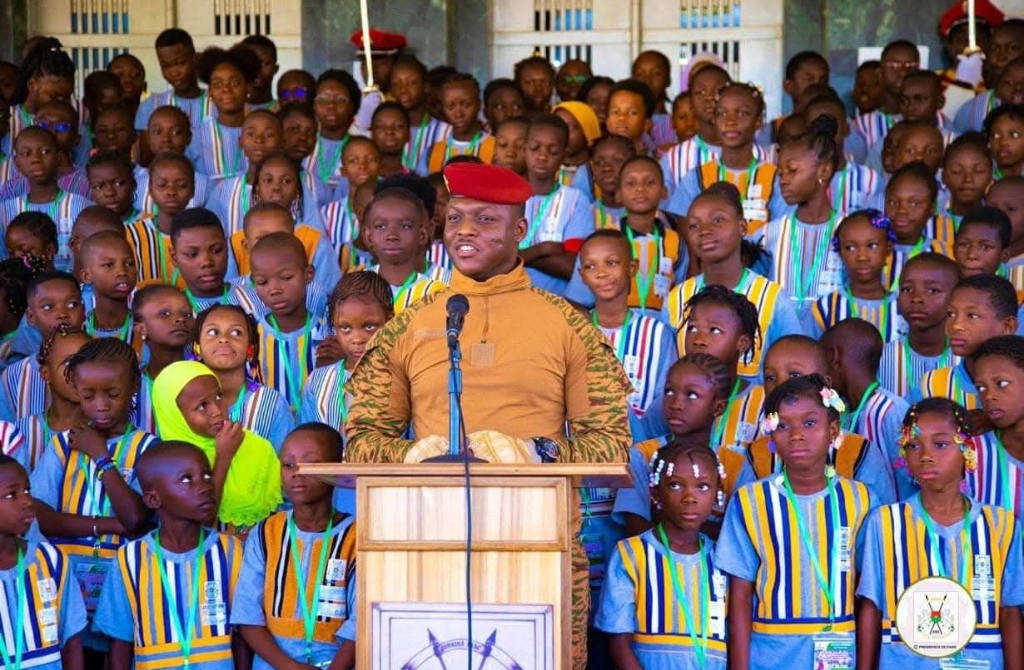
The requirement to wear locally made fabrics in the military, schools, and courts is not merely a dress code but a high-precision maneuver of identity re-foundation.
By clothing its institutions in the fiber of the land, the Head of State realigns the image of authority with the soul of the people.
It is decolonization through gesture; a reconquest of perspective. Every uniform, every judicial robe, every official garment becomes the standard-bearer of an African identity asserting itself with pride, far from externally imposed standards. Here, local cloth becomes the moral armor of a nation on the march.
This vision transcends symbolism to touch the heart of national stability. By anchoring development in the land and labor of Burkinabe people, President Ibrahim Traoré is consolidating a peace that is not merely the absence of conflict, but the presence of economic justice.
The factory, as much as the barracks, becomes a bastion of defense. By creating structural opportunities for youth and artisans, the state drains the sources of instability and strengthens the social contract through shared prosperity.
National renewal is no longer a distant promise; it is a tangible reality woven into the strength of our fabrics and the clarity of an affirmed Pan-African vision.
Burkina Faso no longer merely endures the narrative of the world; it now embroiders its own epic on the anvil of sovereignty.
Maurice K.ZONGO