Burkina Faso: The war on fake diplomas, a welcome initiative by the government to ensure integrity in the civil service
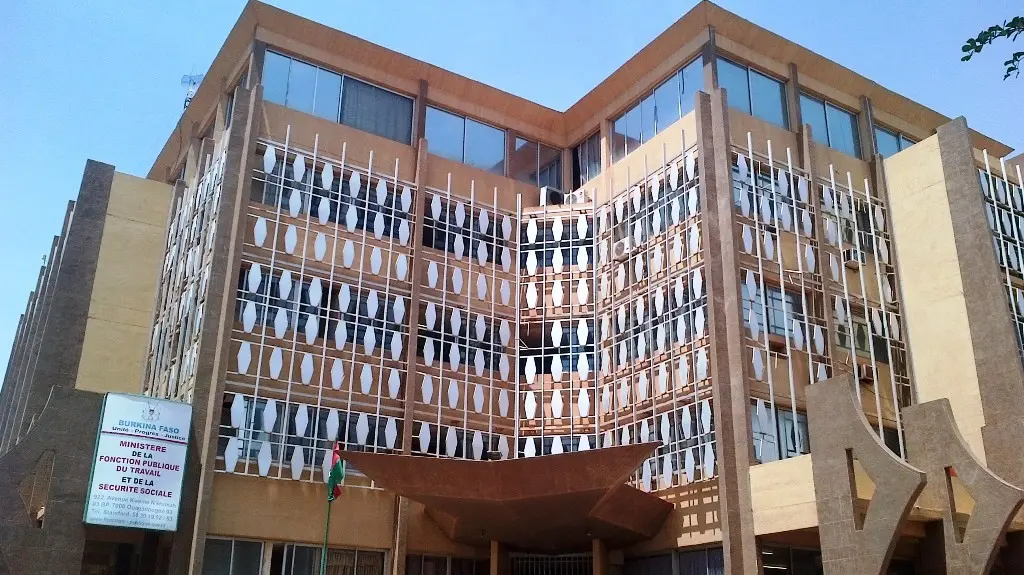
In a resolute effort to modernize and clean up public administration, the Government of Burkina Faso has taken a significant step forward. The adoption, during a Council of Ministers meeting, of a decree reorganizing the Ministry of Public Service, Labor, and Social Protection marks a strong commitment, notably through the creation of a Technical Secretariat dedicated to verifying the authenticity of diplomas and professional qualification certificates held by public servants.
This initiative, welcomed by many observers, constitutes a decisive declaration of war against the scourge of fake diplomas; an ill that undermines the credibility and effectiveness of public institutions.
This measure is part of a broader framework of rationalizing ministerial structures, aimed at adapting to the new administrative divisions and complying with standards of governmental organization.
However, its symbolic and practical significance extends far beyond mere administrative reorganization.
By tackling documentary fraud head-on, the Burkinabe authorities are sending an unequivocal message: competence, integrity, and meritocracy must be the sole foundations of the Public Service.
The phenomenon of fake diplomas is a transnational challenge, a source of incompetence, injustice, and deep public distrust.
It undermines transparent recruitment efforts, distorts fair competition among candidates, and ultimately degrades the quality of services delivered to the population. Establishing a specific body for control, with a clear technical mandate, therefore represents a structural and lasting response to this problem.
The implications of this decision are multiple and positive. Institutionally, it strengthens rigor in career management and restores fairness within the administration.
For honest public servants, it is a recognition and protection of their legitimacy. For users of public services, it promises more professional and reliable service delivery.
Finally, from an economic perspective, a competent administration is an indispensable lever for implementing development policies and attracting investment in a climate of trust.
This reform demonstrates a genuine political will to turn the page on opaque practices. It resembles an investment in human capital and ethics—cornerstones of a state governed by the rule of law.
The success of this “war” will naturally depend on the technical and human resources allocated to this new Secretariat, as well as the firmness in applying sanctions.
It will also require cooperation with national and international educational institutions to facilitate verification.
The creation of this verification mechanism is much more than a regulatory adjustment. It is a courageous and necessary measure that brings honor to Burkina Faso.
It lays the groundwork for a credible, efficient, and proud Public Service dedicated to serving the nation.
This is a strong signal for the entire sub-region, proving that good governance begins with respect for the basic rules of merit and integrity.
Maurice K. ZONGO