Cameroon: The Agricultural emergency plan, a response to the food crisis
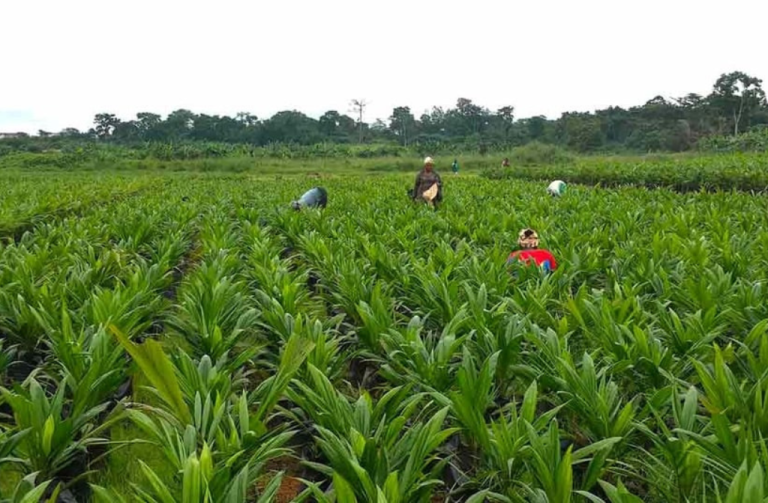
Facing global and regional food crises, Cameroon launched a 25-billion CFA franc Agricultural Emergency Plan in 2022. This initiative aims to guarantee the country’s food sovereignty by rapidly increasing the production of staple goods. While the results are promising, the plan’s long-term effectiveness remains to be confirmed.
The state has focused its efforts on three main pillars. First, the massive distribution of subsidized inputs (improved seeds, fertilizer) to small producers of maize, rice, cassava, and sorghum.
This measure aims to boost yields from the very first growing season. Second, the rehabilitation of production basins through mechanization and the development of new farmland, particularly in the North, Far North, and Adamawa regions.
On the ground, tangible results are being observed. The country recorded significant production increases for maize and rice during the last growing season.
The initiative has also supported thousands of smallholder farmers, who form the backbone of the agricultural sector.
By strengthening local production, the government seeks to limit the impact of imported inflation on the prices of essential goods.
However, several persistent challenges could limit the plan’s long-term impact. The logistics of input distribution face delays in some areas, disrupting farming schedules.
Water management remains a crucial weak point, with continued over-reliance on rainfall in many regions. Furthermore, the local processing of produce remains insufficient, with a significant portion of harvests still being sold as raw commodities, which limits the value captured by Cameroonian producers.
The Agricultural Emergency Plan of Cameroon constitutes a structured and necessary response to food shocks. It has the merit of placing smallholder productivity at the heart of the national strategy.
For this initiative to move beyond the emergency phase and lay the foundations for lasting food sovereignty, it must be systematically integrated with long-term investments in irrigation, rural roads, and agri-food industrialization.
The ultimate success will be measured by price stability in the markets and the increased resilience of smallholder farms in the face of future shocks.
Baba GADO