Burkina Faso: Nuclear energy at the heart of security, progress and national autonomy
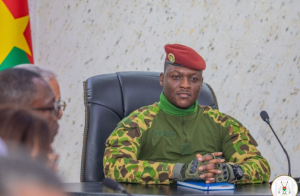
Burkina Faso has reached a strategic milestone in its development trajectory with the advancement of its nuclear projects. Spearheaded by the Presidency and under the vision of the Head of State, Captain Ibrahim Traoré, the country is consolidating its ambitions for economic, scientific, and social progress by integrating nuclear technologies into priority sectors.
The opening of the national workshop of the Burkinabe Atomic Energy Agency (ABEA) exemplifies this commitment to positioning Burkina Faso within a forward-looking dynamic aimed at strategic autonomy.
Atomic energy, beyond its scientific dimension, is becoming a lever of sovereignty and stability.
Through sixteen projects and four initiatives, the country aims to optimize the peaceful use of this technology in health, agriculture, water management, and the environment, while strengthening nuclear safety and security.
Related/ Burkina Faso: Creation of the Burkinabe Atomic Energy Agency (ABEA), a further step towards the creation of a nuclear industry
This integrated approach reflects the government’s determination to deploy innovative infrastructure that directly addresses the needs of the population, ensuring national sustainability and resilience.
The impact of these projects aligns with the national vision of institutional rebuilding and consolidation.
Mastering nuclear energy will not only enhance the energy security of Burkina Faso but also improve public health, increase agricultural productivity, and protect natural resources.
In this regard, the initiative is fully aligned with the 2023-2028 National Framework Program and demonstrates that President Traoré’s vision extends beyond technological ambition, translating into concrete, measurable, and beneficial actions across the entire territory.
Furthermore, coordination with the International Atomic Energy Agency (IAEA) and the regional AFRA Agreement positions Burkina Faso as a credible and influential actor on the regional and international stage.
This strategic cooperation fosters expertise sharing and the upskilling of national professionals while reinforcing the country’s scientific and technical diplomacy.
In summary, atomic energy in Burkina Faso is not merely a technical project; it has become a powerful symbol of national sovereignty, an engine for inclusive development, and a guarantee of peace and security.
The pragmatic and ambitious vision of the President of Faso is materializing through initiatives that reaffirm Burkina Faso’s capacity to advance toward a stable, innovative, and prosperous future.
Olivier TOE