Cameroon: Focus on economic reforms to boost purchasing power and protect the most vulnerable
In the face of structural challenges and international crises, Cameroon has undertaken a series of targeted economic reforms in recent years aimed at supporting household resilience and cushioning the impact of the rising cost of living. These measures, designed to affect the daily lives of citizens, place the protection of the most vulnerable segments of society at the heart of public action.
One of the flagship initiatives has been the targeted subsidy of essential goods, particularly on certain basic food items and agricultural inputs.
By limiting price surges, this policy has helped preserve the purchasing power of low-income families.
At the same time, the strengthening of social cash transfer programs, through mechanisms such as expanded family allowances or direct support to rural households, has provided a tangible safety net for the most vulnerable.
See also/ Cameroon: Paul Biya, promoting structural infrastructure and a renewed strategy to attract investors
On the employment and empowerment front, the state has increased its support for local entrepreneurship and vocational training.
The simplification of procedures for creating very small enterprises (VSEs), coupled with facilitated credit lines and regional incubators, has enabled many young people and women to start income-generating activities.
Labor-intensive public works projects in infrastructure and agriculture have also provided temporary but vital employment in disadvantaged areas.
The health sector has not been overlooked. The extension of expanded health coverage and the establishment of regulated prices for certain consultations and essential medicines have reduced the health expenditures of households, often strained by unexpected costs.
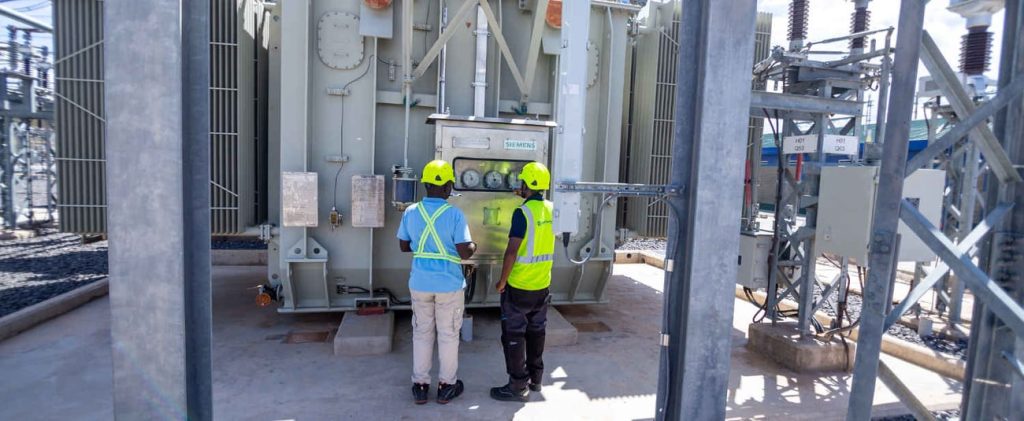
In the energy sector, maintaining a subsidized electricity price for the lowest consumption brackets and efforts to stabilize the price of domestic liquefied petroleum gas (LPG) have been concrete levers to limit household bills.
While challenges persist inflation on certain products, still unequal access to services these reforms demonstrate a commitment to anchoring economic growth in the direct improvement of living conditions.
The ongoing challenge lies in sustaining these measures and continuously adapting them to the realities faced by Cameroonians, so that economic recovery translates into shared well-being, especially for those who need it most.
Baba GADO