DRC: Referendum and electoral reforms on the agenda as parliament resumes
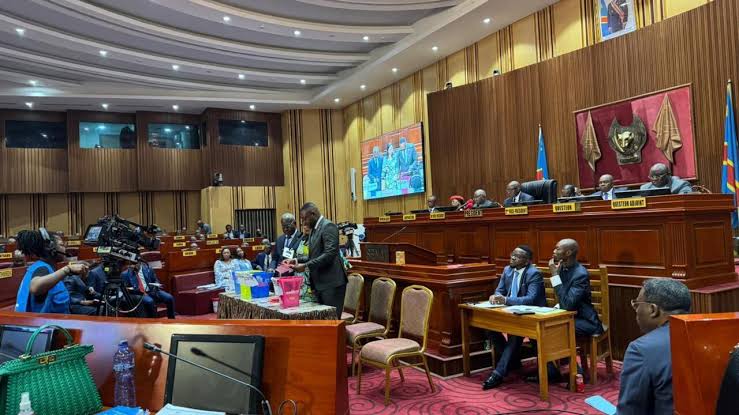
The September ordinary session of the Congolese National Assembly, opened this Tuesday, 15 September 2026, places the referendum and the overhaul of the electoral framework among its priority dossiers. This legislative calendar unfolds in a political climate where discussions on transforming the constitutional and electoral rules in the Democratic Republic of the Congo occupy a central place.
In his inaugural address, the Speaker of the lower house, Aimé Boji Sangara, announced that the bill governing the arrangements for organising the referendum would be subject to a new deliberation.
This text, whose conformity with the Constitution has already been established, is being reintroduced before the deputies following a request made by the head of state.
Parliamentarians will also have to deal with several dossiers relating to the reform of the electoral system, as well as the question of voter identification subjects set to occupy an important place on the agenda of this session, as the next electoral appointment, set for 2028, approaches.
“The National Assembly will also examine texts linked to electoral reforms and voter identification,” Aimé Boji Sangara specified on the occasion of this parliamentary reopening.
Beyond this referendum and electoral component, the September session also includes the study of several projects with an economic dimension.
Notably expected are the text on special economic zones, the one on promoting youth entrepreneurship, a revision of the Insurance Code, as well as a bill devoted to the management of state assets.
To this list is added the bill aimed at establishing a sovereign fund, intended to support the financing of major structural investments.
This legislative planning comes against a backdrop of persistent debates around the national dialogue, the envisaged changes to the constitutional framework, as well as the security situation prevailing in eastern DRC.
The importance given to electoral reforms during this session should, moreover, fuel discussions among the country’s various political forces, with a view to the upcoming electoral deadlines.
Gilbert FOTSO