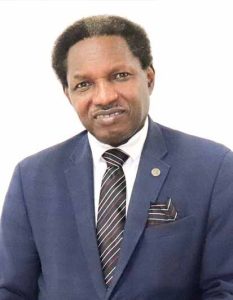
Botswana: As President Duma Boko embarks on a drive for diversification to move beyond the shadow of the diamond industry

After a 3.1% contraction in 2024, linked to the downturn in the global diamond market, Botswana is embarking on a decisive economic turning point. Under the leadership of President Duma Boko, the country is now betting on diversification to reduce its dependence on a resource that has long sustained its growth but now exposes the national economy to significant vulnerabilities.
The Head of State has made this transformation a political and economic priority.
From the very start of his term, he insisted on the need to move away from a model based almost exclusively on diamonds and to open new drivers of growth.
Among the sectors highlighted are solar energy, medical cannabis, and industrial hemp; three areas deemed promising for creating value, attracting investment, and generating new jobs.
The solar option serves a dual purpose: strengthening the country’s energy security and supporting a more sustainable transition.
Botswana thus aims to transform its solar potential into an engine of development, attracting projects capable of powering the economy while reducing pressure on mining revenues.
This direction is part of a logic of economic resilience and structural modernization.
Medical cannabis and industrial hemp also represent strategic opportunities. Beyond their agricultural and industrial potential, these sectors can foster the growth of a local value chain, from production to processing and export.
For Duma Boko, it is not only about opening new markets but also about positioning Botswana as an innovative player in sectors still underexploited on the continent.
This diversification strategy is being closely watched by the IMF and the World Bank, which see Botswana’s case as a revealing example for African economies dependent on single resource exports. For investors, the message is clear: Botswana intends to build an economy less exposed to external shocks, more open, and more modern.
In just a few months, Duma Boko has therefore initiated a major shift. If this transition is pursued with consistency, it could mark the end of a historic dependence and the opening of a new era of more balanced growth for Botswana.