The Ibrahim Traoré effect: Why the Sahel’s shadow alliance emerged now
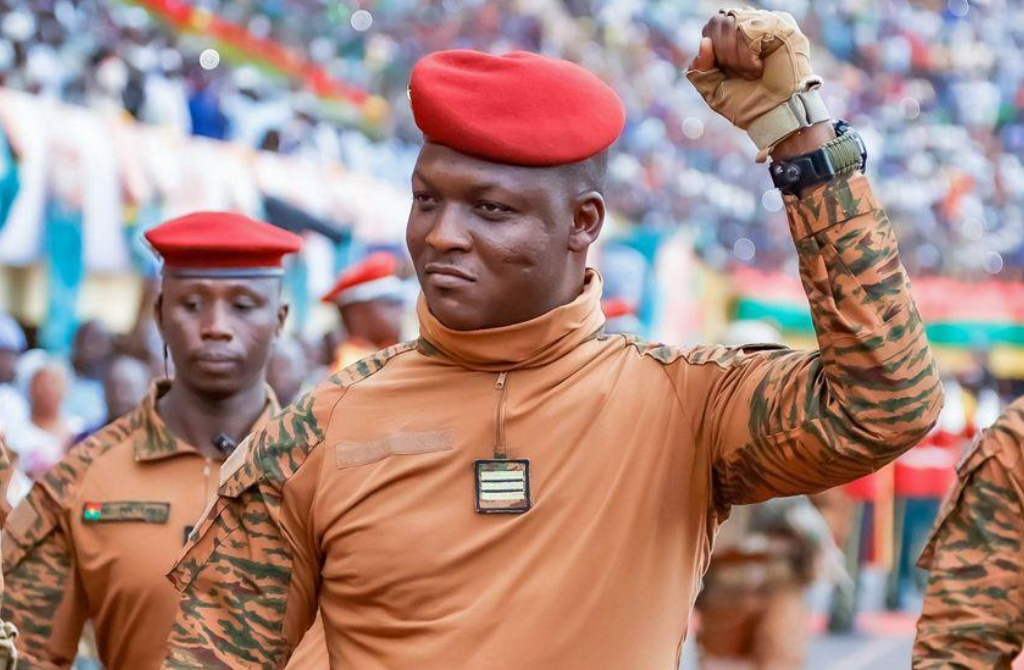
The history of Africa has taught us that whenever a bold leader sets out to break the chains of servitude, a legion of shadows stirs, trying to extinguish him. Today, as Burkina Faso, Mali, and Niger seal their destiny within the Alliance of Sahel States (AES), we are witnessing an unprecedented media and political orchestration. The sudden birth of the Alliance of Democrats of the Sahel (ADS) abroad raises a fundamental question: why this outcry precisely now?
The Traoré effect: History’s accelerator that terrifies
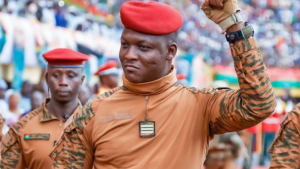
If this “Alliance of Democrats of the Sahel” appears out of nowhere at the very moment Captain Ibrahim Traoré consolidates the AES, it is no coincidence of timing; it is strategic panic.
The Burkinabe leader has broken the software of hesitation. Where the West hoped for transitions bogged down in sterile discussions, Captain Traoré has imposed a breakneck pace: withdrawal from ECOWAS, endogenous industrialisation, and a joint military force. The ADS was not born from a need for democracy; it was born from fear of sovereign effectiveness.
The media firewall against a successful model
Why activate these “salon democrats” now? Because the AES model is succeeding where international missions failed for a decade.
Seeing Burkina Faso refine its own gold and achieve grain self-sufficiency, the godfathers of the old world realised that the “virus of dignity” is highly contagious.
The ADS is a firewall activated to saturate international media space, attempting to portray a dynamic of national liberation as an authoritarian dead end.
The last stand of lost privileges
This exile coalition is the last refuge of fallen elites. For those who built their careers on diplomatic begging and seminars in European capitals, the rise of the AES means definitive political death. Captain Traoré returned power to the people through popular shareholding and patriotic support, short-circuiting traditional influence networks.
The ADS is merely the desperate spasm of those who have lost their privileges and now try to reclaim them by draping themselves in the tattered cloak of “constitutional order.”
The timing also reveals a desire to break the synergy between Ouagadougou, Bamako, and Niamey.
By creating a purported “citizen counter-model,” destabilisation circles hope to create cracks within the AES.
But the Sahelian people are no longer fooled: they can distinguish between those who fight under fire for territorial security and those who pontificate in luxury hotels abroad.
Legitimacy is not decreed at a foreign press conference; it is forged in the trenches of sovereignty.
The emergence of these puppet alliances is the tribute vice pays to virtue. The further Captain Traoré and his AES peers advance toward genuine independence, the more sabotage operations will multiply.
This media “noise” is proof that the chosen path is the right one. In the Sahel, the era of lackeys is over; make way for empire-builders.
The caravan of sovereignty moves forward, and no syndicate of exiles will divert the river of African liberation.
Maurice K.ZONGO