Burkina Faso’s e-BDT Platform: A digital revolution for financial sovereignty
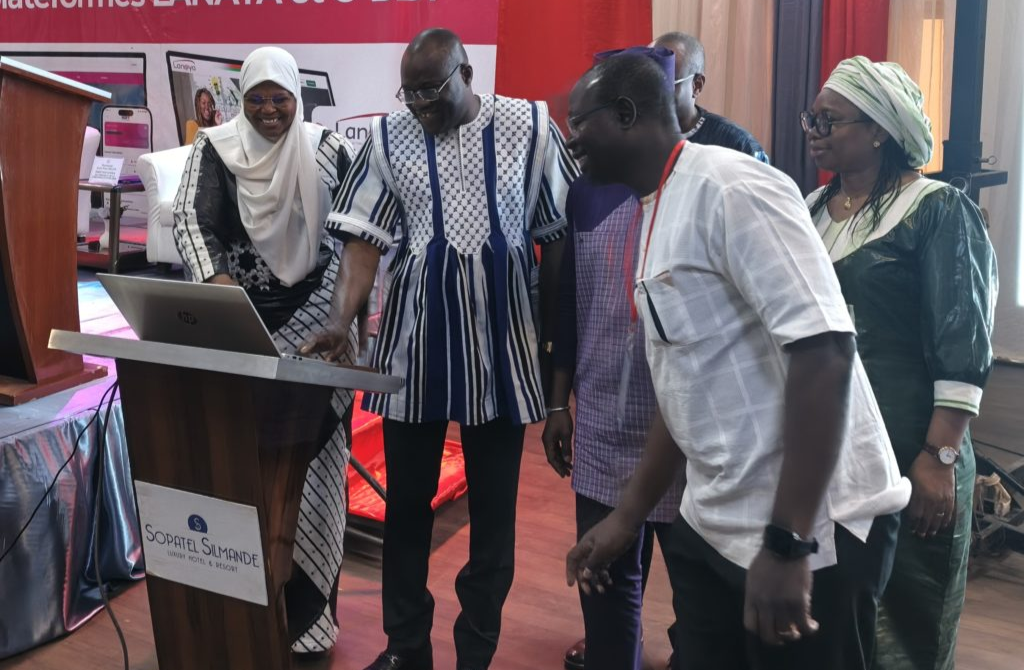
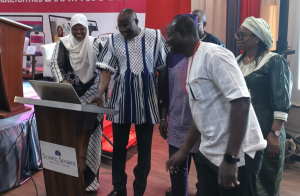
On April 9, 2026, the inauguration of the e-BDT platform marked more than a technical advance; it consecrated a paradigmatic break. By requiring NGOs and associations to connect to the online Treasury Deposit Bank, the Burkinabe state is not merely modernising its counters. Under the leadership of President Ibrahim Traoré, it is completing the construction of an endogenous financial architecture, where technology becomes the armed wing of sovereignty.
This reform, led by the Treasury Directorate, is the concrete translation of a political vision that refuses the fragmentation of resources.
By making it mandatory for technical and financial partners to domicile their funds with the Treasury, the executive is implementing a strategic centralisation.
The goal is no longer to endure the winding circuits of commercial finance but to reinject every CFA franc into the national economy. e-BDT is the cockpit of this ambition: a tool where speed and transparency are not cosmetic options but guarantees of good governance.
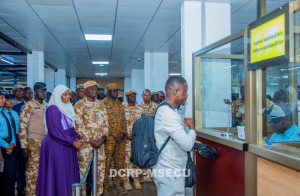
The deployment of the platform accessible from the capital to the remote reaches of Djibo illustrates an assertive administrative verticality. It breaks geographic isolation to establish public service equity.
Here lies the genius of the current breakaway policy: transforming the administration into a war machine against inefficiency, while offering civil society actors a secure and high-performing framework.
Beyond managing flows, this platform embodies pragmatic Pan-Africanism. Burkina Faso demonstrates that it possesses the necessary expertise to design its own regulatory instruments, freeing itself from external technological tutelage.
By consolidating public deposits, the state strengthens its self-financing capacity a prerequisite for any genuine development.
The message to partners is clear. Cooperation must now operate within the rails of national rigour.
The adherence of NGOs, pedagogically orchestrated by Jean-Yves Belem and his teams, reflects a renewed social contract. Governance is no longer solely about constraint but about service excellence.
This digital revolution mirrors a nation reclaiming its destiny. Burkina Faso is no longer chasing modernity; it defines it according to its own imperatives of security and dignity.
Through this mastery of flows and time, the country proves that sovereignty is not a slogan it is an infrastructure.
Olivier TOE