Burkina Faso: Millions of animals treated as the livestock sector gets a fresh start
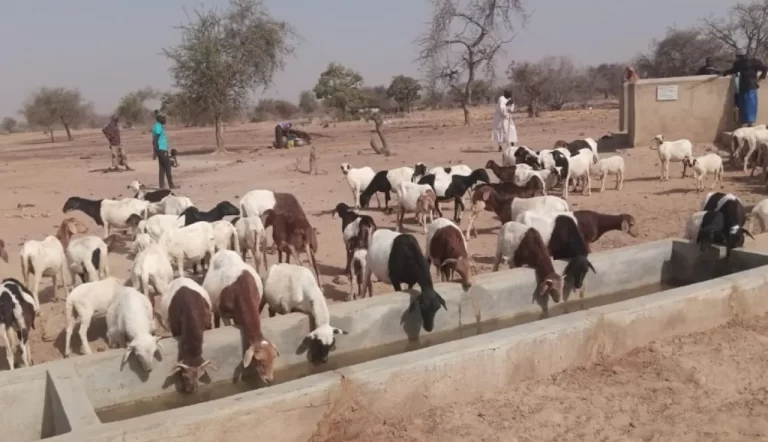
The Burkinabe government has taken a decisive step toward modernizing the livestock sector. Under the leadership of Captain Ibrahim Traoré, structural actions have been carried out to strengthen animal health; a key driver of productivity for the herders of the country. Vaccination, deworming and artificial insemination: an integrated approach that is already yielding results.
The figures speak for themselves. The deworming campaign reached nearly one million cattle, more than one million small ruminants, over 2.7 million poultry, close to 200,000 pigs and more than 390,000 carnivores.
Behind these statistics are thousands of livestock farmers whose herds are now protected against disease and whose incomes are secured.
Artificial insemination, launched in June 2025, made it possible to inseminate 12,203 cows within six months.
This marks a major breakthrough in the genetic improvement of the national herd. Hardier, more productive animals better adapted to the climate this is what the future of the livestock industry hinges on.
These actions address a pressing need among Burkinabe herders. For too long, the lack of basic veterinary care and the poor genetic quality of livestock limited yields.
Large-scale health treatment campaigns and the introduction of modern techniques are changing the situation.
Securing the livestock sector means securing the millions of families that depend on it. It also strengthens the food sovereignty of the country by producing the meat and milk it needs locally.
Maurice K.ZONGO