Africa: When Nigeria becomes the continent’s alternative for oil
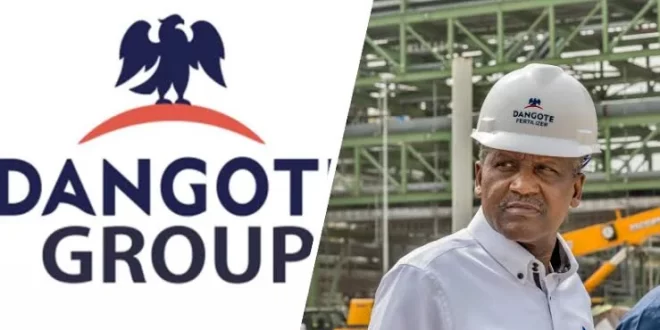
The war is intensifying in the Middle East, and oil prices are soaring. In recent days, Brent crude has crossed the $100 mark, peaking at around $120. The Strait of Hormuz, through which a fifth of the world’s oil transits, has become a major flashpoint. As a result, African countries, traditionally dependent on international markets, find themselves on the front line. And in the midst of this crisis, one solution is emerging: the Dangote Group.
While Europeans are desperately searching for gas, Africans now have an alternative right on their doorstep.
The Dangote refinery, located near Lagos, is running at full capacity with its 650,000 barrels-per-day output. And the timing could not be better.
Aliko Dangote himself almost chuckles: “People are ready to pay anything right now.” Ghana, South Africa, Kenya countries that used to import their fuel from afar are now turning to their West African neighbor.
Why the shift? The answer boils down to three words: security, cost, sovereignty. Buying refined fuel locally means freeing oneself from the uncertainties of international shipping routes.
It also means saving on transportation costs and lead times. South Africa, Kenya, and Ghana have realized that it is better to source from the new regional champion than to depend on distant markets disrupted by geopolitical crises.
The Nigerian billionaire does not hide his ambitions. In a recent interview, he stated bluntly: “If we Africans do not take the lead in industrializing Africa, Africa will never industrialize.”
Behind this statement lies a concrete reality: his refinery, whose construction required dredging a swamp and building a bespoke port, is becoming a cornerstone of the continent’s economy. The IMF has confirmed that at full capacity, it would boost Nigeria’s non-oil GDP by 1.5% and replenish its dollar reserves by $5.5 billion per year.
The Dangote plant produces more than just fuel. It also manufactures polypropylene for plastics and, above all, 3 million tons of fertilizer annually—more than any other plant in Africa.
Isaac KAMENI