Denis Sassou-Nguesso reelected in Republic of Congo with overwhelming majority
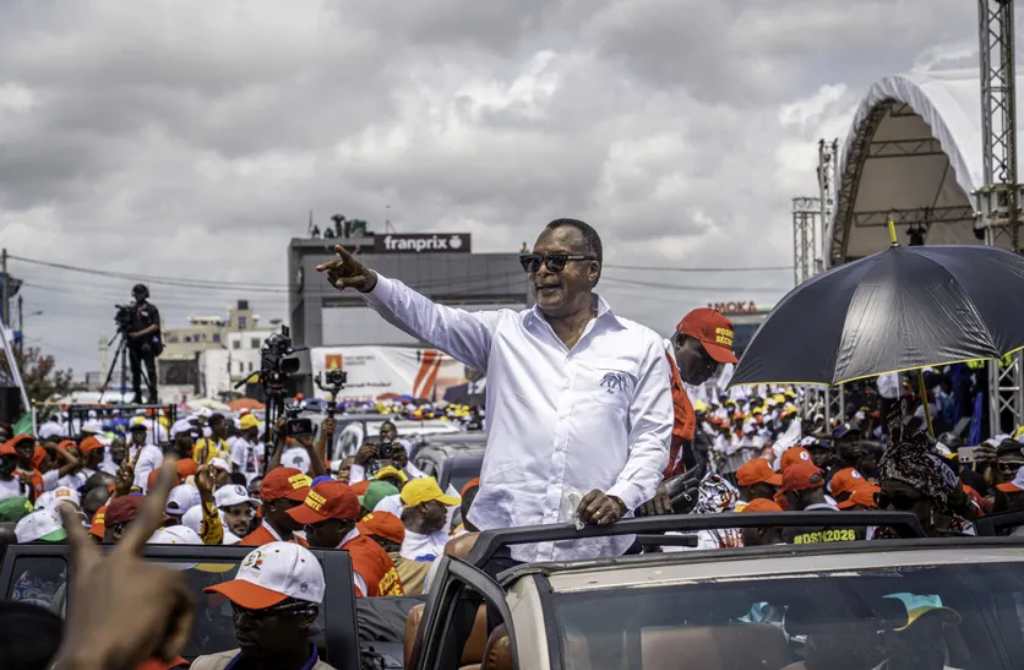
The presidential election held on March 12 and 15, 2026, in the Republic of Congo has resulted in the reelection of Denis Sassou-Nguesso with an impressive 94.82% of the vote. Facing six candidates, including one independent, the outgoing president successfully mobilized significant crowds, transforming the campaign into a clear demonstration of his popularity and political roots. The election recorded a turnout of 84.65%, reflecting Congolese engagement in the electoral process and the popular legitimacy of the victory announced by Interior Minister Raymond Zéphirin Mboulou.
This victory opens a fifth term for Denis Sassou-Nguesso and marks a strategic step for the development of the country.
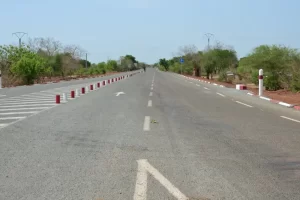
The outgoing president now has considerable latitude to pursue his economic and social reforms, consolidating infrastructure and modernizing key sectors such as energy, transportation, and digital technologies.
Political continuity will stabilize ongoing development projects, ensure financing for major initiatives, and strengthen institutional governance.
The experience accumulated over successive terms also offers the possibility of structuring long-term public policies, crucial for economic diversification and integrating Congo into regional and continental value chains.
Beyond domestic management, this reelection reaffirms Congo’s place on the African and Pan-African stage. It provides an opportunity to consolidate strategic partnerships, strengthen regional alliances, and promote diplomacy oriented toward economic integration and energy sovereignty.
The challenge lies in transforming this political stability into a driver of inclusive development, where the benefits of growth translate concretely into the lives of Congolese people, particularly youth and rural populations.
The reelection of Denis Sassou-Nguesso is not merely an electoral success. It is a decisive moment for placing Congo on a sustainable trajectory, capable of combining political continuity with economic dynamism.
The future of the country will depend on leadership’s ability to transform commitments into tangible results and to steer the Republic toward shared prosperity, commensurate with its potential and ambitions.
Congo now enters a new phase in its history, where political stability and governing expertise must converge to offer future generations a stronger, more modern Republic resolutely focused on its African destiny.