Africa: Faced with turmoil in the Middle East, the challenge of sovereign resilience
On March 1, 2026, the Economic Community of West African States broke its silence. In a statement of measured gravity, the regional organization expressed deep concern following the strikes carried out on February 28 by the United States and Israel against Iran, which were followed by Iranian retaliatory strikes using missiles and drones. Tehran has confirmed the death of Supreme Leader Ali Khamenei. The escalation is brutal. It recomposes the balance of an already volatile region and projects its shockwaves far beyond the Middle East.
ECOWAS does not dramatize. It alerts. It recalls international law and the United Nations Charter. It urges restraint.
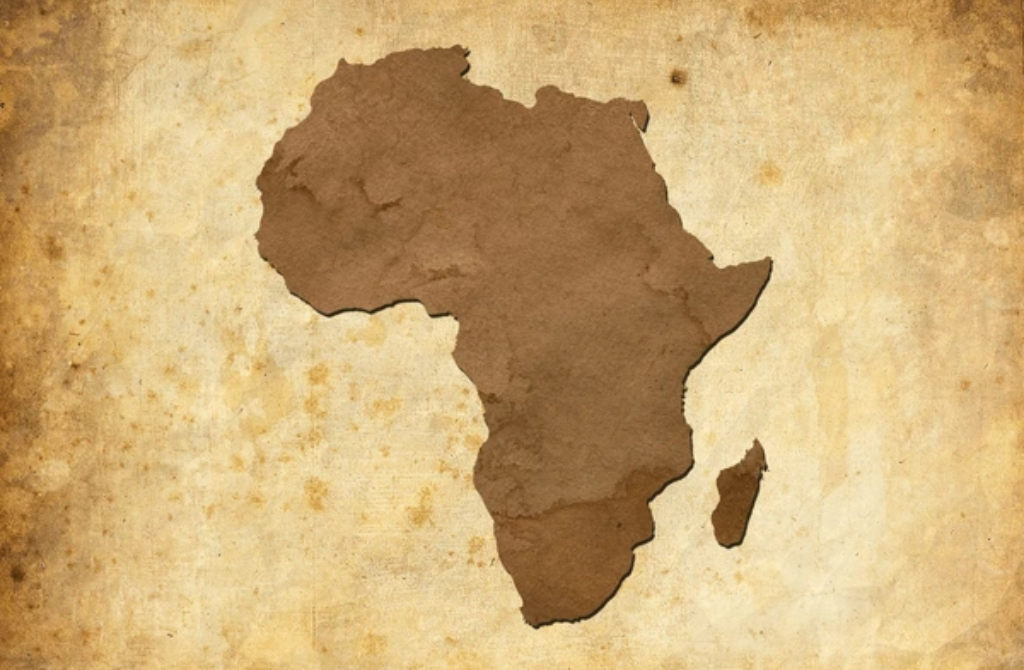
Behind this lexical caution lies genuine concern. Africa, dependent on hydrocarbon imports and exposed to tensions in supply chains, knows that every flare-up in the Gulf comes at a heavy price.
Energy markets react without delay. The price of oil climbs. National budgets waver. For states already constrained by debt and social pressure, the energy bill becomes a factor of political instability.
The effects do not stop there. Food inflation threatens countries already weakened by insecurity, by delicate political transitions, or by regional diplomatic tensions.
A rise in transport costs and agricultural inputs can reignite latent social tensions. The continent’s recent history has shown this. When the price of bread or fuel soars, the street erupts faster than chanceries can negotiate.
There is also the security risk. An open confrontation between major powers in the Middle East redraws global military priorities.
The strategic attention of Western partners could shift, at a time when several African states are confronting organized armed groups.
In this relative vacuum, other influences advance. Africa becomes a terrain for projection, sometimes for competition, rarely for sovereign consideration.
By taking a position, the sub-regional institution asserts an African voice on an extra-continental conflict. It reminds us that international peace is indivisible. Its message is clear.
The stability of the Gulf concerns Lagos, Abidjan, or Dakar as much as Riyadh or Tehran. This posture is also a political act.
It inscribes Africa in the global debate not as a vulnerable spectator, but as an actor conscious of its interests.
The hour demands lucidity and cohesion. African states must coordinate their energy policies, strengthen their economic early warning mechanisms, and speak with one voice in multilateral forums. Because in a fragmented world, disunity comes at a high cost.
What is at stake today extends far beyond a distant theater of operations. It is the capacity of Africa to anticipate the tremors of the world and to defend its stability as a vital strategic asset.
Neil Camara