Burkina Faso launches program to transform graduates into productive workforce
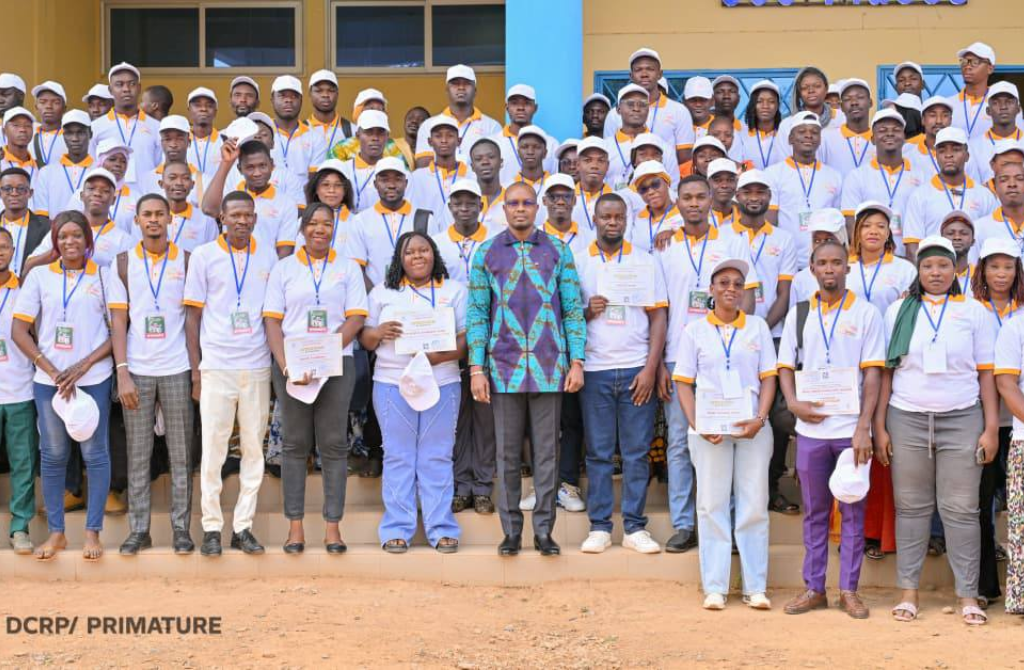
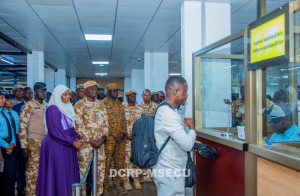
In Ouagadougou, the National School of Livestock and Animal Health hosted a decisive step forward for Burkina Faso’s economic future. By presiding over the graduation of the first cohort of the University Graduate Retraining Program, Prime Minister Rimtalba Jean Emmanuel Ouédraogo embodied the state’s determination to transform academic potential into immediately operational productive force.
This initiative materializes a policy of economic and social sovereignty, driven by the vision of President Ibrahim Traoré.
The rationale behind this approach is clear. Youth unemployment among graduates and the mismatch between skills and market needs undermine social cohesion and hinder development.
The creation of Burkina Suudu Bawdè in 2023, and the rapid implementation of this program, illustrate a strategic commitment: investing in skills means investing in the future.
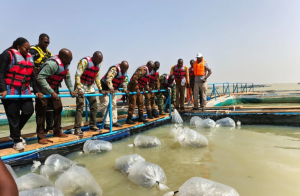
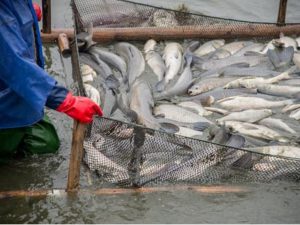
In four months, 250 young people, including 110 women, were trained in directly applicable fields: livestock and animal health, agri-food processing, industrial maintenance, and digital technologies, following a practical, entrepreneurial, and digital approach.
This direction reflects a comprehensive vision: placing youth and knowledge at the center of national economic transformation.
The financial and technical support announced by the Government underscores that retraining is not limited to theory; it must produce concrete, collective, and viable projects that strengthen the country’s economic and social resilience.
In a complex Sahelian context, this strategy is not merely pragmatic; it is strategic.
The visit to stands showcasing the graduates’ achievements gave tangible substance to this policy. The skills acquired are already translating into prototypes, products, and expertise, offering concrete illustration of the initiative’s direct impact on the local economy.
While this pilot cohort does not resolve all structural inequalities, it opens a path. Expanded and consolidated, this policy could transform vocational training into an engine of development, a lever for entrepreneurship, and a tool for economic sovereignty.
Burkina Faso is no longer content merely to educate its youth; it is shaping a generation capable of building its nation and placing competence at the heart of its collective destiny.
Fanta KEITA