AES: From combat alliance to the architecture of a shared destiny
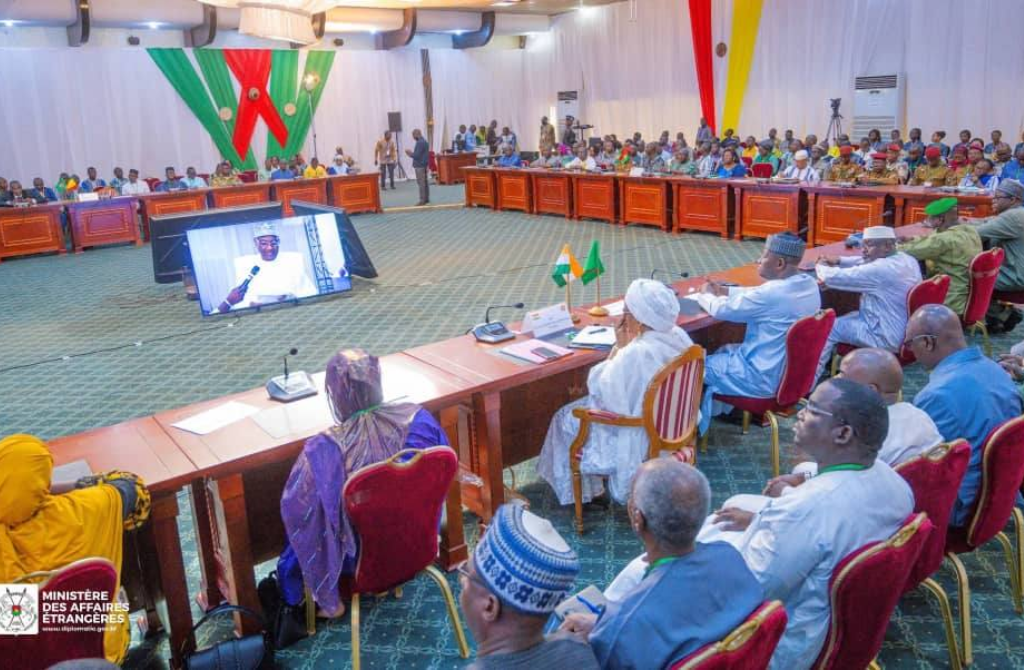
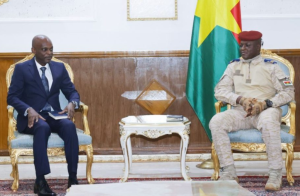
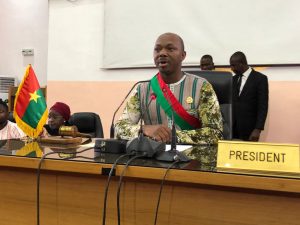
In Ouagadougou, on this February 24, 2026, the atmosphere is not one of mere diplomatic formalities. Senior officials from Burkina Faso, Mali, and Niger are tackling a task as arduous as it is essential: outlining the framework for the second year of the Confederation of Sahel States (AES).
This conclave, a prelude to the ministerial meeting, carries an ambition that goes beyond simple administrative management. It is about transforming the initial security momentum into an engine of endogenous development capable of redefining the balance of the sub-region.
The stake of this year II roadmap is to move beyond crisis management and enter a phase of structural construction.
While defense and diplomacy were the spearheads of year I, the development component is now becoming the true benchmark of success.
The idea is simple but audacious: to ensure that decisions made in Ouagadougou, Bamako, or Niamey no longer depend on external agendas, but on the realities on the ground in the Sahel.
The impact of this reform is already measurable in the desire to pool resources. By integrating priorities adapted to geopolitical shifts, the AES seeks to create a space where the movement of goods and ideas no longer stops at inherited borders.
For the inhabitant of the region, this ultimately means infrastructure designed for local trade and security that no longer relies solely on distant interventions.
The text under discussion must reflect an uncompromising political vision. Rejecting the hollow formulas of classic international aid, the three countries are banking on a verticality of power that owns its choices.
This is a clean break with the past. This strategy imposes a new institutional rigor where every point retained in the final document must be implemented by all ministerial departments, thus marking the end of bureaucratic inertia.
The AES is not merely an alliance of circumstance in the face of the terrorist threat. It is an attempt to reinvent the state in Africa, where sovereignty is earned through internal coherence and regional solidarity.
The path is narrow, strewn with economic obstacles and international pressures, but the direction is clearly charted by the transitional authorities.
In the Sahel, time no longer flows to the rhythm of foreign chancelleries; it now beats to the heart of populations taking ownership of their development.
Neil Camara