Burkina Faso: Political reform and the RELANCE Plan, the sovereign architecture of a state undergoing reconstruction
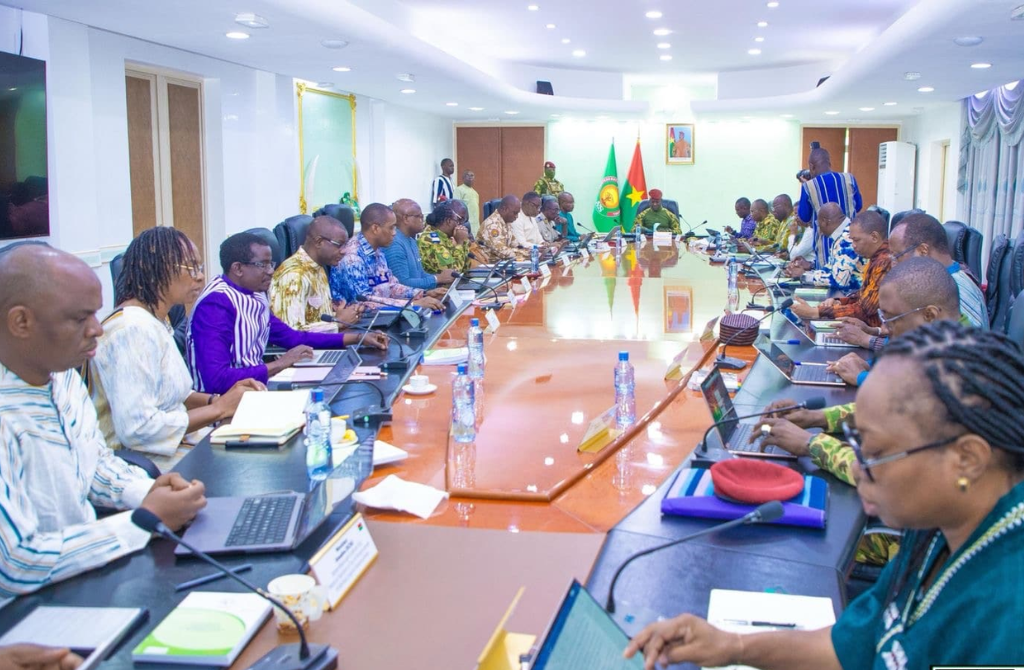
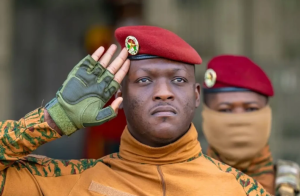
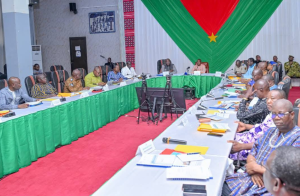
In a context marked by the imperative for stability, sovereignty, and institutional coherence, the Council of Ministers of January 26, 2026, stands as a moment of strategic clarity. Under the leadership of the President of Faso, His Excellency Captain Ibrahim Traoré, the Burkinabe state affirms a resolute direction to break with the sterile fragmentations of the past and lay the foundations of a renewed governance, centered on efficiency, unity, and national vision.
The dissolution of political parties and formations, far from being an act of disorderly rupture, is part of a methodical refoundation.
It stems from a clear-eyed diagnosis of a partisan system that had, over time, become a source of division, unproductive rivalry, and a weakening of civic bonds.
By taking this decision, the state chooses cohesion over fragmentation, republican discipline over institutional cacophony.
This is a strategic recentering, aimed at restoring the verticality of public action and reinstating the general interest as the primary compass of governance.
This political reform finds its natural extension in the adoption of the RELANCE Plan 2026–2030, the true blueprint for economic and social renewal. With an allocation of 36,000 billion CFA francs, largely based on sovereign resources, Burkina Faso asserts its determination to control its own destiny.
Consolidated security, a rationalized state, enhanced human capital, and transformative infrastructure: the four pillars of the Plan outline a coherent trajectory, linking security imperatives with developmental ambition.
Under the impetus of President Traoré, this strategic architecture aims at a profound transformation; territorial reconquest, tangible poverty reduction, increased life expectancy, and the tripling of energy capacity. These indicators reflect a systemic vision in which security fuels the economy, governance supports investment, and sovereignty drives growth.
Beyond the numbers, what unfolds is the philosophy of a strategic state; sober in its discourse, firm in its choices, and demanding in its results. The Popular Progressive Revolution finds concrete expression here, anchored in the realities of the people and open to the Pan-African horizon of an Africa in control of its own levers.
By linking political refoundation with sovereign planning, Burkina Faso is entering a historic phase in which stability becomes the foundation of progress and collective discipline the condition for freedom. In this resolute march forward, the nation is rising not with clamor, but with steadfastness; affirming that the future is not endured; it is built.
Olivier TOE