Burkina Faso: National unity tested by insidious manoeuvres
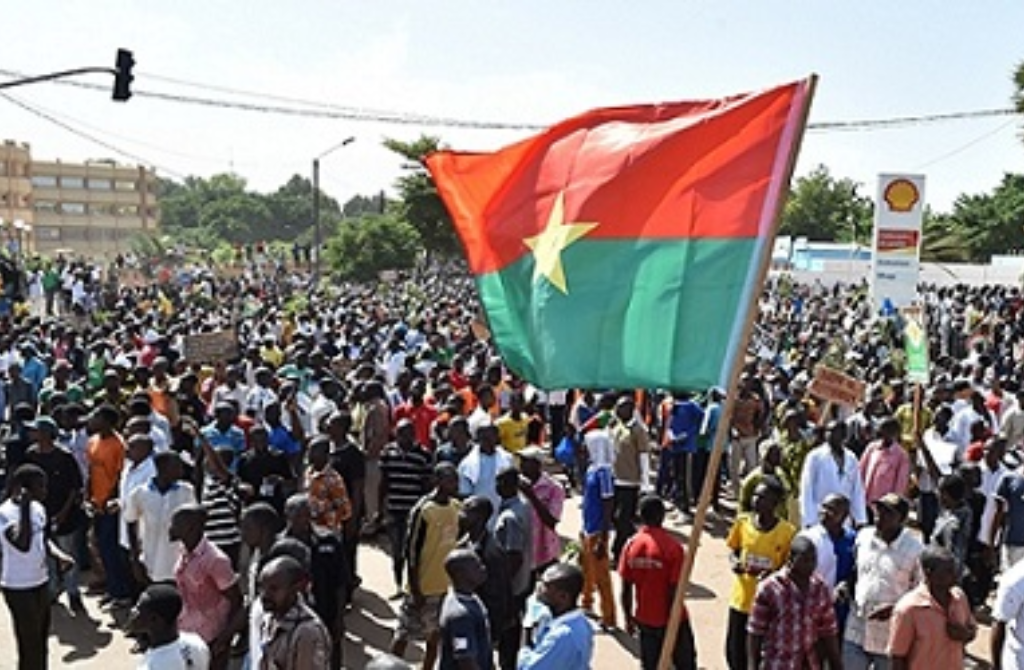
Burkina Faso is navigating a deeply sensitive political moment, where collective lucidity has become a national imperative. After the failure of armed destabilization strategies, repeated coup attempts, and the instrumentalization of terrorism to weaken the state, a new phase has begun. It is more discreet, less brutal in appearance, yet more dangerous: the calculated exploitation of social and communal differences to fracture national unity.
The maneuver is simple in principle but formidable in its effects. It involves amplifying local tensions, isolating groups from one another through suspicion, and fostering the belief that some citizens are privileged while others are sacrificed.
Narratives circulate often anonymous, spread through social media or informal channels seeking to pit Burkinabe against one another. Nothing is left to chance. The goal is not to inform, but to unsettle; not to debate, but to divide.
Related/ Burkina Faso: The Machiavellian plan of the neo-colonialists to sow ethnic chaos and make the country ungovernable
This pattern is neither new nor unique to Burkina Faso. It has been observed elsewhere on the continent, with dramatic consequences when societies failed to recognize its mechanisms in time.
Forces hostile to the progress of the country know that a united people are difficult to subdue.
They therefore seek to weaken this fundamental bond, shifting conflict from the political to the identity-based terrain, where reason more easily yields to emotion.
It is essential to understand that these tensions do not reflect a deep reality of Burkinabe society.
They are constructed, sustained, and instrumentalized. Burkina Faso has always been built on coexistence, solidarity, and mutual respect.
It is this collective memory that some now seek to erase, because it constitutes the foundation of national resilience.
Faced with this situation, the challenge is not fear, but vigilance. The response cannot be stigmatization or silence, but responsibility.
Rejecting oversimplifying narratives, verifying information, preserving intercommunal dialogue, and supporting the efforts of the state’s efforts to maintain social cohesion: these are the true acts of civic resistance.
This moment calls for calm, solidarity, and collective intelligence. For when a people understand the mechanisms of their own division, they empower themselves to outmaneuver it.
And it is in this shared clarity that Burkina Faso will continue to advance—faithful to its history and master of its future.
Fanta KEITA