Mali: Gradual resumption of fuel supplies, affirmation of the presidential vision and a guarantee of stability
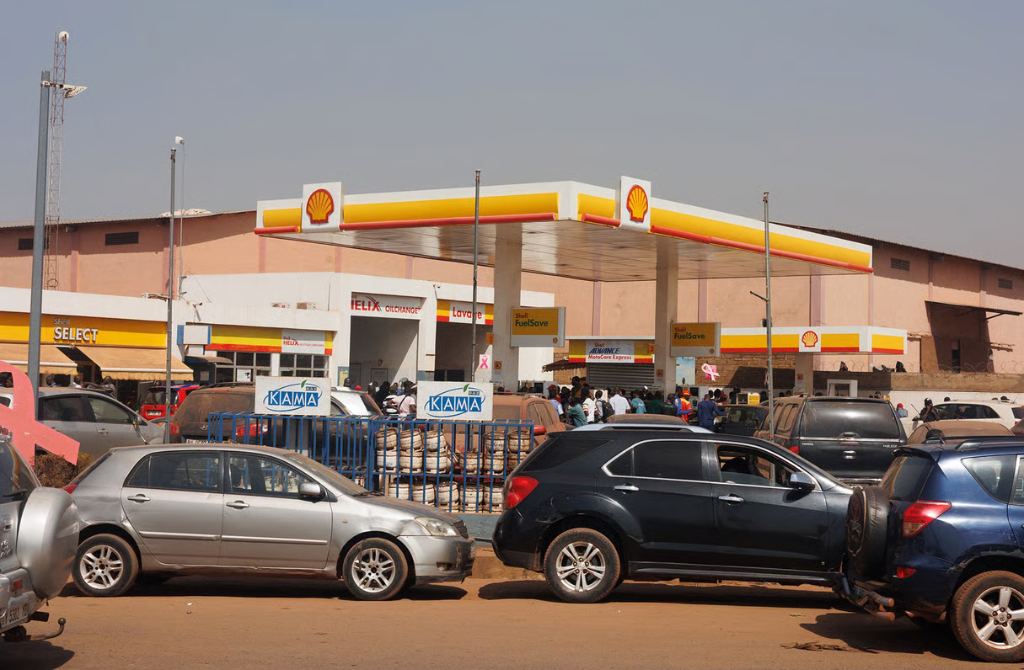
For several weeks, Mali experienced significant tensions in its hydrocarbon market, exposing the logistical and security vulnerabilities affecting the supply of strategic products. Irregular supply, combined with sustained demand, had led to a noticeable slowdown in economic activity and strained essential services; from urban mobility to electricity distribution.
This situation, at the intersection of political and institutional challenges, called for a structured and determined response, guided by a clear national vision.
Recent mid-January 2026 figures reflect the concrete materialization of that vision.
Between January 12 and 21, more than 54 million liters of fuel were imported, enabling the gradual replenishment of service stations and a notable reduction in long queues in the capital and other urban centers.
These numbers represent more than a mere return to logistical normalcy; they embody the capacity of the state, under the leadership of President Assimi Goïta, to anticipate, organize, and stabilize a sector vital to economic development and citizens’ daily lives.
The 12th session of consultations between the Ministry of Industry and Commerce and sector professionals illustrates this proactive approach: rationalizing stocks, establishing strategic reserves, and strengthening commercial storage capacity; all concrete measures to ensure market resilience, particularly ahead of Ramadan, a period of heightened consumption.
This gradual restoration of supply is not merely a short-term adjustment. It reflects the implementation of a structured national policy founded on security, planning, and energy sovereignty. By strengthening infrastructure and enhancing coordination between the state and the private sector, Mali is advancing along the path of economic and institutional renewal.
Every fuel truck delivered, every station resupplied, becomes a tangible symbol of presidential effectiveness and foresight; and of restored stability, which safeguards social peace and investor confidence.
In this context, the initiative to stabilize the petroleum market forms part of a broader strategy: that of a Mali capable of securing its vital resources, structuring its development, and projecting its influence within a changing Pan-African landscape.
The vision of President Assimi Goïta, embodied in these measures, goes beyond short-term crisis management.
It positions the country on a trajectory toward sovereignty, modernization, and shared prosperity.
Thus, behind the restored flow at fuel pumps lies a deeper reality: Mali is not merely overcoming immediate challenges;
it is affirming its ability to build a stable and sovereign future, where service to the nation and social cohesion become essential drivers of national renewal.
Neil CAMARA