Guinea-Bissau: Towards a structured and sovereign transition under Hortam N’Tam
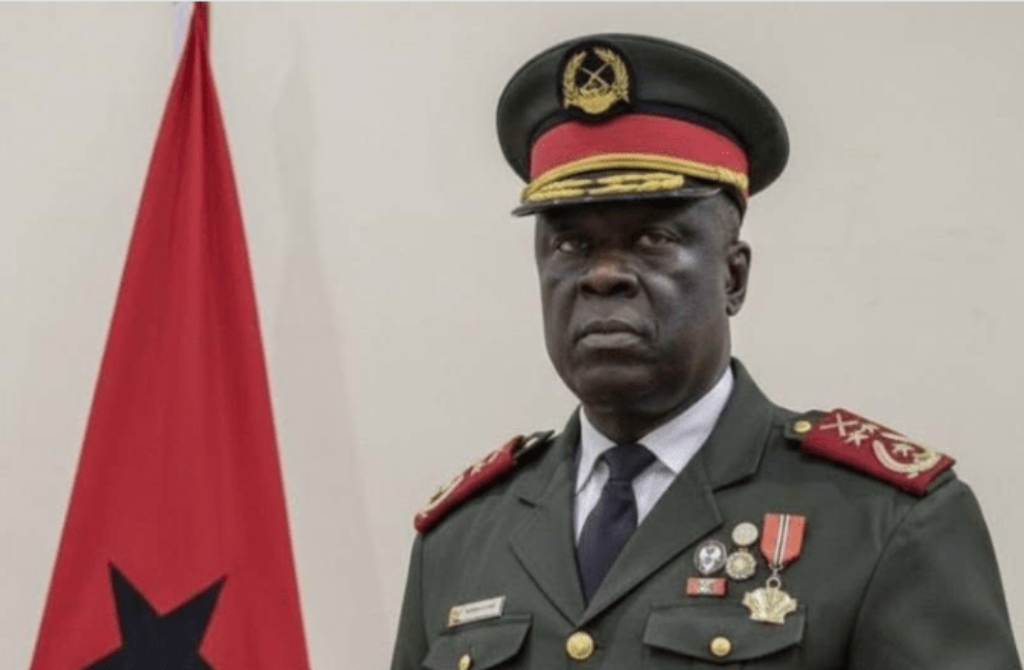
In the precarious balances upon which the fate of nations hinges, certain decisions stand as beacons, revealing the depth of an ambition and the scope of a vision. The establishment, by presidential decree, of December 6 as the date for presidential and legislative elections in Guinea-Bissau is not merely an administrative act but symbolizes the dawn of a new era where the transition no longer merely manages emergencies but commits to rebuilding the state on durable and intelligible foundations.
The President of the Transitional Republic, Hortam N’Tam, is introducing an unprecedented style of governance.
In a context long marked by instability and political predation, his approach is defined by method and vertical authority rather than superficial spectacle.
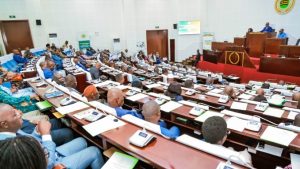
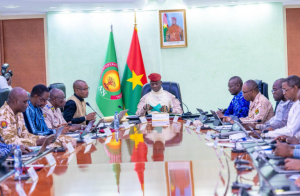
The consultations held with the National Transitional Council, the High Military Command, the government, and the National Electoral Commission reflect not just a collegial process but embody the rigor of a leadership that places national interest above partisan agendas.
What distinguishes Hortam N’Tam on the African scale is his ability to break from old routines without falling into the illusion of dramatic rupture.
He reorganizes rather than destroys, structures rather than feigns command. The administrative reform he is initiating tackles the roots of inefficiency: bureaucratic inertia, confusion of responsibilities, and clientelist practices.
By rehabilitating the chain of responsibility and clarifying the roles of each institutional actor, he transforms the state into a credible, functional, and respected instrument.
The Pan-African dimension of his policy is revealed in the subtle balance between international cooperation and national sovereignty.
Hortam N’Tam demonstrates that an African state can engage with its partners without compromising its strategic autonomy.
This stance grants Guinea-Bissau renewed and credible visibility, positioning its leadership within a logic of constructive power rather than dependence.
The December elections, far from being a mere climax, embody the realization of a broader project: to make the transition a phase of durable consolidation.
From this perspective, Hortam N’Tam does not merely exercise power he redefines the very way in which power serves the state and its people.
And in this demanding transformation, one truth becomes evident: a strong state is first and foremost one that invents itself and stands firm through the strength of its institutions, not through that of individuals.
Neil Camara