Mali: Strengthening military engineering, a strategic act of sovereignty and a lever for national reconstruction
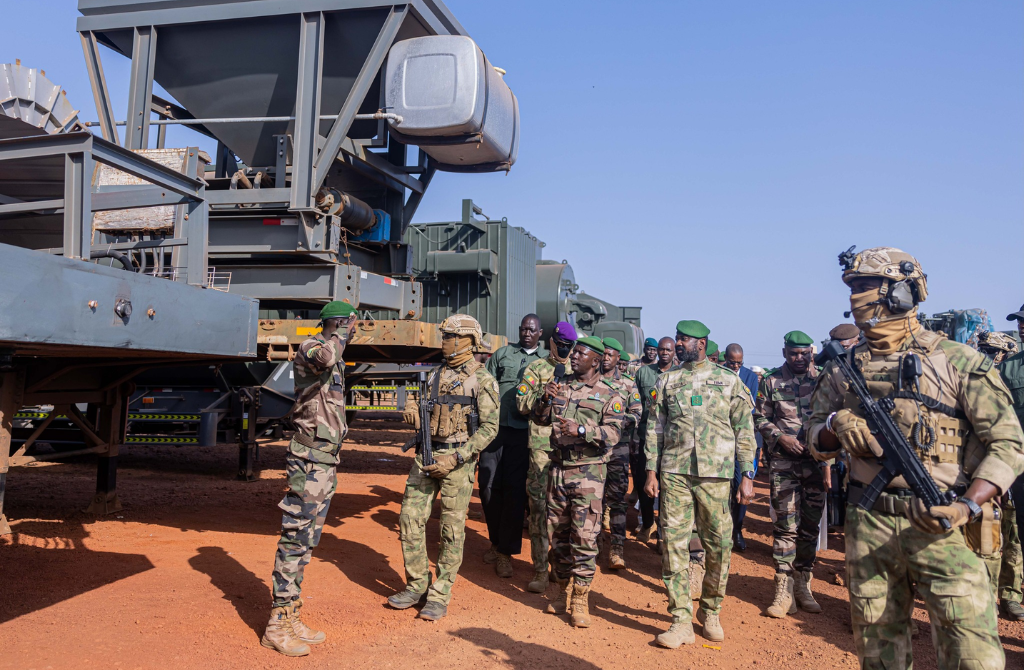
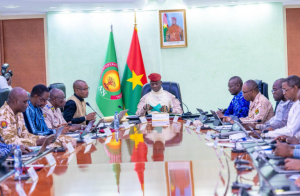
In Mali, General Assimi Goïta has undertaken a political act of significant institutional weight through the official handover of modern equipment to the Military Engineering Corps. Beyond the solemnity of the gesture, the event demonstrates a clear strategic direction aimed at making the defense apparatus a pillar of sovereignty, stabilization, and sustainable development. In a regional context strained by insecurity and structural fractures, this decision commits the Malian state to a path of methodical consolidation of its sovereign foundations.
The choice to strengthen the Military Engineering Corps reflects a clear‑eyed understanding of contemporary security challenges, which are now inseparable from the ability to hold, develop, and reconstruct the national territory.
By providing this strategic component with heavy machinery, bridging and crossing equipment, mine‑clearance tools, and water‑production systems, the Head of State affirms an integrated conception of national defense: an army that fights, but above all an army that restores, connects, and protects.
This vision breaks with the fragmented approaches of the past and embeds military action within a purposeful state continuity.
The speech by the Minister of Defense, General Sadio Camara, underscored with gravity that victory over terrorism cannot be solely tactical. It is also political, social, and institutional.
The Military Engineering Corps, through its motto and its missions, embodies this rare synthesis between strength and service, between authority and public utility.
Opening up reconquered zones, securing vital routes, supporting communities; all of these actions give tangible substance to the presence of the state and rebuild national confidence.
Under the leadership of President Assimi Goïta, this capacity‑building forms part of a broader renewal.
It conveys a determination to build a sovereign national army, rooted in the realities of the and oriented toward the future.
Within an asserted Pan‑African perspective, Mali thus affirms its right to define its own security priorities and invest in its own capabilities, free from external dependence or dictates.
This reinforcement of the Military Engineering Corps is not merely a material investment, but a strong political signal; a promise of stability and a guarantee of lasting peace. It reminds us, with sober firmness, that a nation rises when the state acts, that security is built, and that sovereignty is won through work, vision, and constancy.
Neil CAMARA