Gabon: Oligui Nguéma’s economic policy, a model for emerging Africa
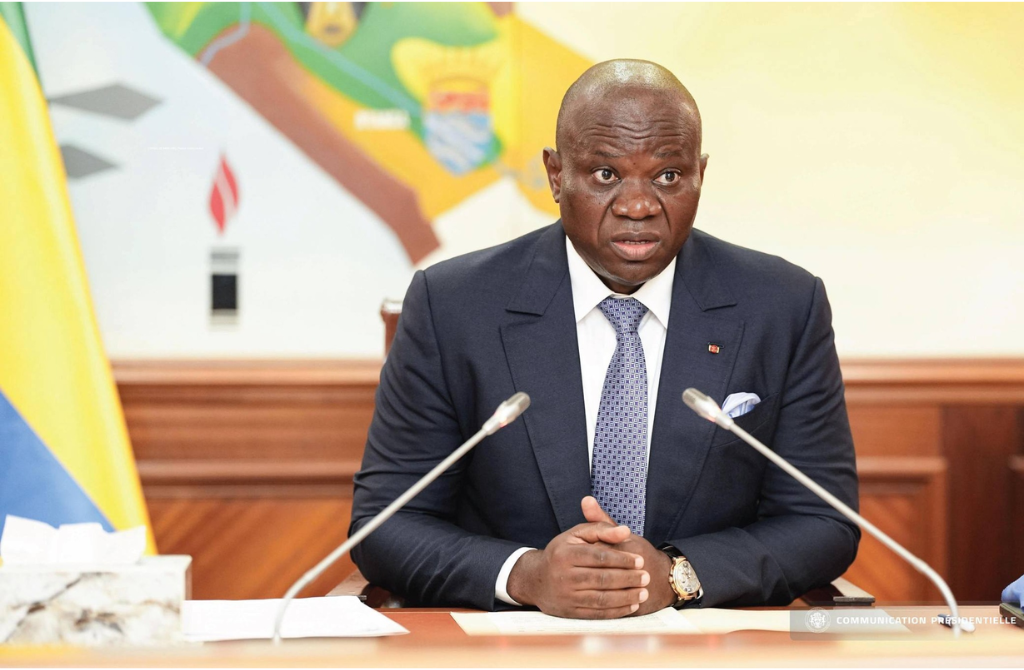
Gabon has entered a decisive chapter in its economic and political history. Having inherited a model built on rents oil, manganese, timber; the country long progressed under the misleading protection of abundant yet structurally fragile resources. This dependence, plainly documented by the World Bank, has left the state vulnerable to the erratic cycles of global markets, weakening both public finances and social cohesion.
The question is no longer whether diversification is necessary, but whether the political leadership can turn it into a sovereign, coherent, and sustainable strategy. It is precisely on this ground that President Brice Clotaire Oligui Nguéma’s actions are taking shape.
Since assuming leadership of the state, the head of the transition has imposed a change in tempo and method.
Where inertia and the passive management of resource rents once prevailed, he has introduced a logic of the state as a strategic actor aware that mineral wealth is only meaningful for what it enables the country to build beyond itself.
Public-private partnerships reflect a clear will to turn extractive industries into levers for structuring the national economy.
The promotion of local entrepreneurship fits within this vision of managed transformation.
By supporting SMEs and assisting with legal formalization, financial capacity-building, and commercial skills development, the state is working to loosen the grip of the “Dutch disease” that has undermined so many resource-rich African economies.
The Global Entrepreneurship Week, held in several localities across the country, has acted as a revealing indicator of this direction.
The numbers speak for themselves: over 150 projects financed, more than 200 jobs created, and strong participation by women.
These are not merely symbols, but the first markers of a productive economy in the process of being reconfigured.
To be sure, obstacles remain. Extractives still dominate exports, and structural transformation requires time, discipline, and consistency. But what matters most lies elsewhere: a political direction has been affirmed, and a course is being maintained.
Oligui Nguéma embodies this new generation of African leaders who no longer confuse sovereignty with rhetoric, but rather conceive of it as a patient architecture built on strong institutions, human capital, and deliberate economic choices.
Gabon has not yet turned every page of its economic history, but it has regained the essentials: a state that decides, a leadership that anticipates, and a vision that transforms yesterday’s rents into the foundation of tomorrow’s sovereignty.
Gilbert FOTSO