Ghana – Chad: Invasion of Venezuela, both countries denounce the colonial act of the United States
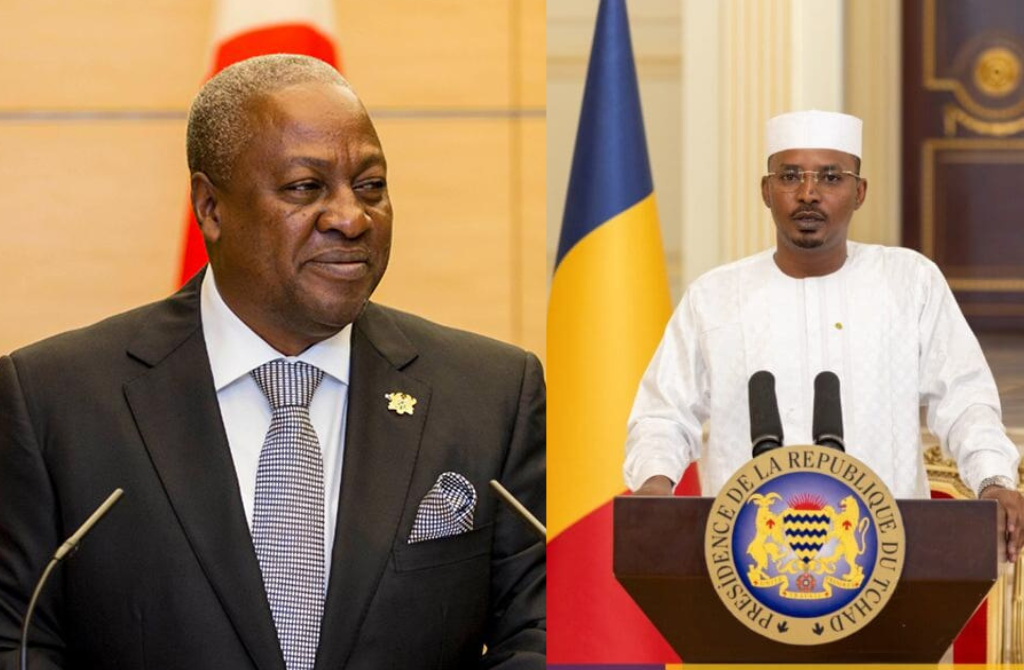
Following South Africa and the African Union, two new African voices have risen strongly against the military invasion of Venezuela by the United States and the abduction of President Nicolás Maduro. This weekend, Chad and Ghana expressed deep concern and condemned what they termed a flagrant violation of international law, with Ghana using the pointed term “colonial act.”
In a statement released on Saturday, the Ministry of Foreign Affairs of Chad disclosed a phone call between Minister of State Abdoulaye Sabre Fadoul and his Venezuelan counterpart, Yvan Gil Pinto.
The latter informed him of bombings on Caracas and the forced “exfiltration” of President Maduro.
Chad reiterated its “firm attachment to respect for international law” and the necessity of preserving “the territorial integrity of Venezuela,” calling for the avoidance of unnecessary suffering for the Venezuelan people.
Ghana, for its part, raised its tone on Sunday. In a vigorous statement, Accra described the operation, which occurred in the early hours of January 3, 2026, as a “unilateral and unauthorized invasion.”
The government expressed “strong reservations against the unilateral use of force” and deplored the violation of the UN Charter.
The Ghanaian reaction was particularly critical of statements by U.S. President Donald Trump, who mentioned direct administration of the country by the United States and the involvement of major American oil companies.
“These statements are reminiscent of the colonial and imperialist era. They set a dangerous precedent for the world order,” the statement condemned, adding that “such colonial ambitions have no place in the post-World War II era.”
Ghana reaffirmed its commitment to the principle of self-determination, stressing that “only the Venezuelan people should freely determine their future.” It called for immediate de-escalation, the release of President Maduro and his wife, and reiterated its principled stance against “invasion, occupation, and colonialism.”
These African positions, together with Pretoria’s call for an urgent UN Security Council meeting, illustrate a growing continental consensus in defense of multilateralism and in denouncing what is perceived as a return to outdated practices that threaten international stability.
Neil CAMARA